Exploring 3D drawing with kids blends creativity, fine motor skills, and STEM learning. The following five 3D printing pens are designed for young artists, offering kid-friendly safety features, adjustable speeds, and beginner-friendly setups. This guide compares their highlights to help parents pick a pen that suits a child’s age, interest, and drawing goals.
| Product | Brand | Key Benefit |
|---|---|---|
| SCRIB3D P1 3D Printing Pen | SCRIB3D | Beginner-friendly with starter PLA, stepless speed, stencil guide |
| 3Doodler Start+ Essentials | 3Doodler | Only child-safe, no hot parts, expanded plastics and stencils |
| MYNT3D Super 3D Pen | MYNT3D | Ultra-clean feed, adjustable flow, durable nozzle |
| SCRIB3D Advanced 3D Printing Pen | SCRIB3D | Large LCD, multiple speed options, ergonomic design |
| MYNT3D Professional 3D Pen with OLED | MYNT3D | Precision temperature control and adjustable feed |
The picks emphasize safety, ease of use for young creators, and opportunities to learn through hands-on design. Each product brings distinct advantages—from child-safe construction to professional-grade controls—allowing parents to align purchases with a child’s age, curiosity, and project ambitions.
SCRIB3D P1 3D Printing Pen With Display

The SCRIB3D P1 offers a versatile tool for 3D drawing, doodling, and building in three dimensions. It includes three starter PLA colors (30 feet) and a stencil guide to jump-start projects. A stepless speed function enables precise control for detailed work or faster infill tasks, making it suitable for beginners and more advanced young artists. The ready-to-use kit simplifies setup for first-time users.
3Doodler Start+ Essentials 3D Pen Set
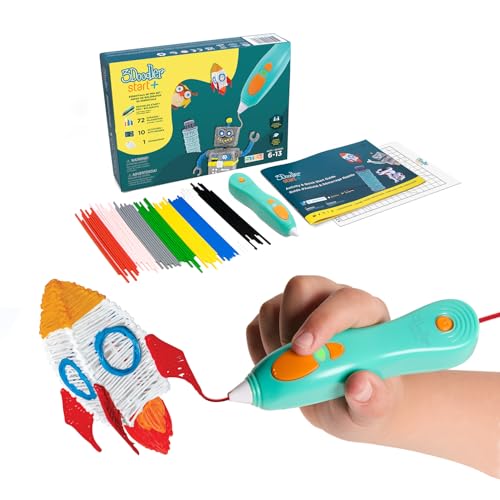
The 3Doodler Start+ is a child-safe option designed with no hot parts, ensuring a burn-free experience for kids aged 6 and up. The kit expands with more plastics and stencils, a faster charge, and an added safety stand-by mode. Its screen-free design supports screenless learning, helping children connect concrete concepts to hands-on creation and STEM exploration.
MYNT3D Super 3D Pen

The MYNT3D Super 3D Pen provides adjustable flow and a stepless speed slider for fine-tuned drawing. The pen features an ultrasonic-sealed nozzle for durability and reduced clogging. Compatible with 1.75mm PLA and ABS, it balances ease of use with performance, making it a solid option for kids who want more control as they grow into more complex projects.
SCRIB3D Advanced 3D Printing Pen
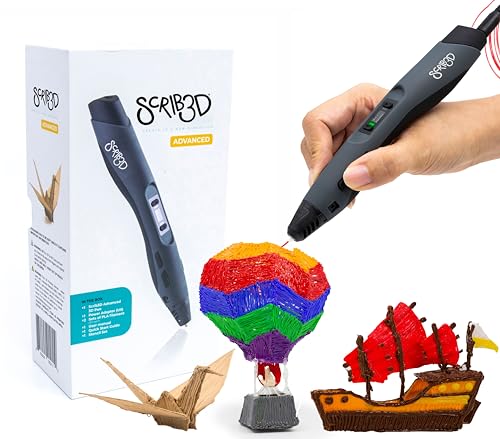
The Advanced SCRIB3D model features a large LCD display,8 speed options, and a curated starter kit (two colors of PLA, manual, stencil guide). Its ergonomic, soft-touch body supports comfortable long drawing sessions. The device is designed to enable precise temperature and speed adjustments, helping kids translate imagination into reliable 3D structures.
3Dgenius 22 Colors 3D Pen Filament Set

While not a pen itself, a larger filament set like 3Dgenius provides broad color options and stable PLA with precise diameter tolerance, enhancing project variety and reducing filament-related issues. Suitable for kids expanding their color palettes and experimenting with multi-color designs across different pens.
Buying Guide
- Age and safety: For younger children, prioritize pens marketed as child-safe with no hot parts or low-temp operation. For older kids, pens with adjustable temperature and flow offer more challenge and learning opportunities.
- Ease of use: Look for stepless speed control, simple loading/retraction, and clear indicators. Start with pens that include stencil guides or project ideas to build confidence quickly.
- Materials: PLA is generally easier to use than ABS and less prone to warping. Check compatibility with PLA filaments and ensure the included starter colors suit your child’s interests.
- Durability and comfort: Ergonomic design and a comfortable grip reduce fatigue during longer sessions. An LCD or display is helpful for monitoring heat and settings.
- Maintenance: A nozzle designed to resist clogging and tools or kits for cleaning extend usage time between sessions. Consider kits that offer replacements or extended filament options.
- Project versatility: Some pens pair with stencil books and drawing templates, while others emphasize freeform creativity. Parents may choose based on whether structured projects or open-ended exploration is preferred.
- Future growth: If a child shows sustained interest, select a pen with broader temperature ranges and a bigger color/filament ecosystem to grow with the youngster’s skills.