Discover the best AI-powered robots for kids that blend learning, creativity, and interactive play. This guide features five top picks designed to engage minds, cultivate curiosity, and foster foundational STEM skills through hands-on activities, storytelling, and conversational learning. Read on to compare features, learning potential, and what makes each robot stand out for children in the 4–12 age range.
Summary Table of Chosen Products
| Product | Brand | Key Features | Ideal For |
|---|---|---|---|
| Ruko 1088 Smart Robots for Kids | Ruko | Large size; voice control; APP control; 10 expressions; 9 joints; 10 songs; diverse activities | Creative play, basic programming, imaginative storytelling |
| Miko 3: AI-Powered Smart Robot | Miko My Companion | STEAM content; touch screen; personalized interactions; age 5–12 | STEAM learning with emotional engagement |
| Loona Robot Pet Dog | Loona | Face & gesture recognition; voice commands; AI chat; charging dock | Interactive companionship with real-time interaction |
| Miko Mini | MIKO | 30 days free access; games; storytelling; safe learning | Short-form interactive learning and daily updates |
| KingsDragon RC Robot | KingsDragon | Gesture & sensing; programmable actions; 50 action sequences | Hands-on programming and robotics basics |
Ruko 1088 Smart Robots for Kids

Ruko’s 1088 model is a large, interactive programmable robot designed to spark imagination in children aged 4–9. Standing up to 15.8 inches tall, it offers multiple modes of play, including voice and APP control. With 10 expressive faces, 9 flexible joints, and 10 songs, the robot delivers dynamic movement for lifelike interactive sessions. The device supports storytelling, dance, music, and recording features that help kids explore early programming concepts, logic, and sequencing through hands-on exploration. This robot serves as a creative companion that blends education with entertainment, providing a foundation for sequencing, problem-solving, and creative storytelling during playtime.
Features highlight:
– Large, engaging size to capture attention and invite participation
– Voice control and APP control for accessible coding experiences
– 10 expressions and 9 joints for expressive motion
– Rich set of activities, including gymnastics, storytelling, and recording
Learning implication: Ruko 1088 supports early STEM development by introducing children to programmable behavior and cause–effect relationships in a fun, approachable way. Its multifaceted play patterns can help with motor skills, memory, and social imagination as kids choreograph sequences and stories for the robot.
Miko 3: AI-Powered Smart Robot for Kids (Red)
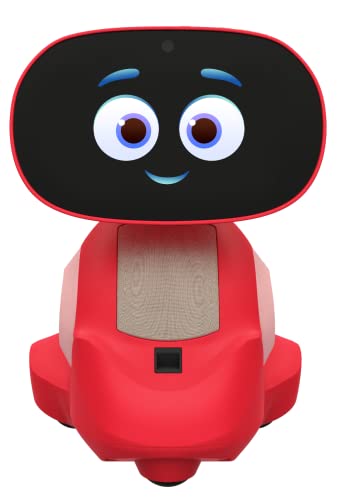
Miko 3 is an AI-driven interactive robot designed to blend STEAM learning with personalized, human-like interactions. Targeted at ages 5–12, Miko 3 features a responsive brain, supportive personality, and a broad library of educational content, including science, art, and technology modules. The touchscreen interface supports hands-on activities and multimedia learning, while the AI system adapts to a child’s interests, promoting higher engagement in academics and creative exploration. Reports indicate increased engagement in academic activities with regular use, as the robot tailors interactions to the child’s learning pace and preferences.
Key points:
– AI-powered learning with a strong STEAM focus
– Personalization and a human-like learning companion
– Wide range of educational content and interactive games
Educational benefits: Miko 3 supports inquiry-based learning, helps build vocabulary and critical thinking, and encourages consistent practice through its adaptive dialogue and content recommendations. The social-emotional dimension is reinforced by the robot’s friendly responses and ability to conduct guided activities such as yoga or jokes to lighten subject matter.
Loona Robot Pet Dog
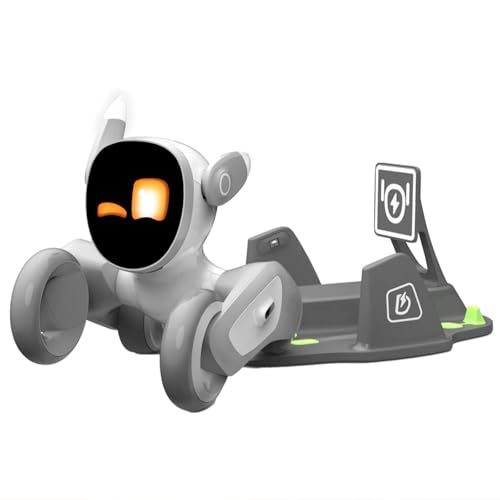
Loona is a smart robot pet that combines AI-powered interaction with robust real-time understanding. It features a high-definition RGB camera for face recognition and gesture tracking, enabling it to respond to human cues and follow its handler. The device is designed for continuous conversational engagement using natural language capabilities powered by modern AI models. It supports mobile hotspot connections for remote interaction, allowing play and discussion beyond the immediate environment. A charging dock provides convenient power management, and privacy is emphasized as it processes data with a focus on user security.
Highlights:
– Face recognition and gesture-based interaction
– Voice-command driven AI conversation
– Flexible connectivity options with secure privacy considerations
Interaction design: Loona emphasizes responsive communication, emotional engagement, and real-time dialogue, making it suitable as a companion that can host storytelling sessions, guided learning prompts, and playful activities that reward curiosity and exploration.
Miko Mini with 30 Days Free Miko Max

Miko Mini is a compact AI robot designed to deliver a dense, engaging learning experience in a kid-friendly form factor. Suitable for children aged 4–10, Miko Mini packs games, dances, songs, and conversational learning into a durable, safe device. It emphasizes daily updates and fresh content, making it a reliable tool for ongoing STEAM exploration without monotony. The platform is designed to foster curiosity and a sense of discovery by providing kid-safe content, interactive storytelling, and guided learning activities.
Core advantages:
– Compact, kid-safe design with rich content
– Daily updates and a blend of music, storytelling, and games
– Emphasis on conversational learning and engagement
Educational value: Miko Mini supports ongoing engagement with learning material, helping children absorb concepts through repetition, exploration, and guided inquiry. Its safe design and interactive repertoire make it suitable for at-home learning routines and quiet study breaks that still feel enjoyable.
KingsDragon RC Robot: Gesture & Sensing

KingsDragon blends gesture control with programmable actions to deliver a hands-on robotics experience. Suitable for children around 3–8 years old, this remote-control robot supports left/right turns, forward/backward motion, and a range of actions through user-programmed sequences. Its design includes LED eyes that illuminate during movement and a robust ABS plastic build with multi-joint articulation, making it a durable option for active play and lessons in sequencing, motor planning, and basic robotics programming. The device supports creative demonstrations through auto-display and obstacle avoidance features.
What to expect:
– Gesture-based control paired with infrared remote control
– Ability to program up to 50 actions for playback
– Durable construction with engaging aesthetics
Learning impact: KingsDragon offers an approachable gateway into programmable robotics, encouraging kids to design, test, and refine sequences. It supports problem-solving, planning, and fine motor skills while providing immediate feedback through motion and lights.
Buying Guide
Choosing the right AI robot for a child involves balancing educational value, safety, and engagement. Consider the following perspectives to find a fit that aligns with a child’s age, interests, and learning goals:
- Age and safety: Match the robot’s complexity to the child’s age. Look for durable materials, non-toxic components, rounded edges, and clear safety guidelines.
- Learning goals: Determine whether the priority is STEAM learning, language and conversational skills, or imaginative play. Robots with coding blocks, storytelling modes, and math-inspired games offer different educational benefits.
- Interaction style: Some kids thrive on expressive, emotionally engaging robots; others prefer straightforward programming interfaces. Consider a robot with a mix of voice commands, touch interactions, and visual feedback.
- Content updates: Ongoing access to new games, activities, and lessons can keep a child engaged over time. Check for free updates, expandable content, and parental controls.
- Privacy and data use: Review how the device handles data, whether it stores voice recordings, and what permissions are required. Prioritize devices with clear privacy policies and local processing options when available.
- Hardware longevity and charging: Consider battery life, charging options, and the ability to handle rough play. A docking station or rapid-charge capability can minimize downtime.
- Space and footprint: Larger robots may be impressive but require more room. Choose a model that fits the child’s play area and routine use.
- Cost-to-value ratio: More affordable options may cover essential learning features well, while higher-priced models may offer advanced AI, longer content libraries, and broader programming capabilities. Weigh long-term value against upfront cost.
For parents and caregivers, the best choice depends on what kind of learning environment you want to cultivate. If the goal is to build foundational programming understanding plus storytelling and creativity, look for robots with programmable sequences, voice interactivity, and a broad content suite. If social-emotional development and consistent engagement are priorities, robots with adaptive learning and expressive responses can be especially beneficial. Finally, consider a mix: a larger, interactive model for creative play and a smaller, portable companion for quick learning sessions and daily routines.