Explore top AI-powered robots designed for adults seeking companionship, productivity, and smart home interaction. From social pets to desk assistants, these devices blend emotion, learning, and practical features. This guide highlights five standout options, covering capabilities, connectivity, and how they can fit into daily routines at home or in the office.
| Product | Brand | Core Appeal |
|---|---|---|
| Energize Lab Eilik | ENERGIZE LAB | |
| Vector Robot | Digital Dream Labs | |
| Loona Robot Pet | Loona | |
| LOOI Robot | TangibleFuture | |
| EMOPET EMO | EMOPET |
These selections prioritize adults looking for engaging AI companions that fit into daily routines, productivity setups, or relaxation spaces. Each option offers unique interaction styles, from tactile play and expressive moods to voice-activated assistants and AI-driven conversation.
ENERGIZE LAB Eilik — Cute Robot Pets For Home Or Desk Use

Eilik is designed as a charming desktop companion that expresses a range of emotions through idle animations and interactive responses. Its head, belly, and back trigger different feelings, inviting touch and exploration. No WiFi or Bluetooth is required—power on and play, making it a simple, self-contained source of interaction. When multiple Eiliks are present, they can chat, play, or even host friendly gatherings, expanding the social dynamics in a room or office space.
Vector Robot By Anki — A Home Robot With Alexa Built-In
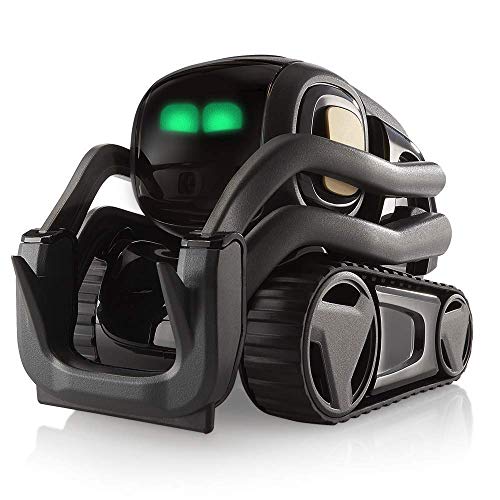
Vector is a voice-activated AI companion that recognizes sight, sound, and touch. It answers questions, takes photos, checks weather, and more, with the added benefit of Alexa integration. As a cloud-connected platform, Vector benefits from ongoing skill updates, keeping it current with new features and capabilities that can assist with quick tasks, reminders, and interactive play in small spaces.
Loona Robot Pet Dog — Real-Time Interaction And Voice Control
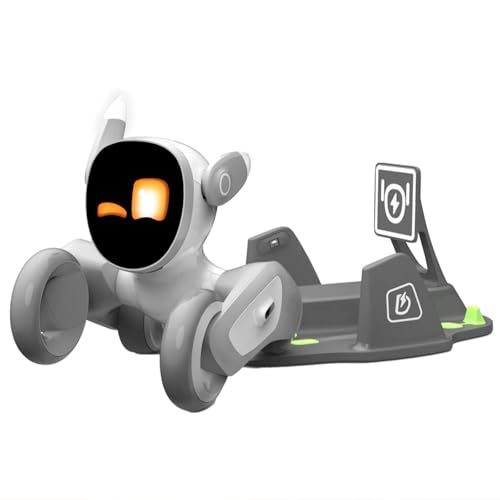
Loona combines a high-definition camera, gesture recognition, and real-time conversational abilities. It can recognize faces, respond to commands, and follow you around with responsive, natural interactions. The device supports continuous improvement via updates and can be connected to mobile hotspots to maintain access beyond traditional WiFi, ensuring consistent presence in varied environments.
LOOI — AI Desktop Companion With ChatGPT And Gesture Control

LOOI blends ChatGPT-powered memory and personality with gesture and facial recognition. It engages in meaningful conversations, remembers past chats, and reacts with a growing set of animations. Its sensor suite includes vision, touch, and voice, enabling nuanced interactions. While primarily English and Chinese, LOOI emphasizes emotionally expressive responses and real-time awareness to create a natural user experience at a desk or bedside.
EMOPET AI Desk Robot — ChatGPT Enabled With Dance And Games

EMO is designed as a desk buddy with a built-in AI model and a wide-angle camera. It recognizes you, responds to voice commands, and connects to networks for deeper conversations via a ChatGPT backend. A dance mode and interactive games via the EMOPET app provide engaging ways to interact, making EMO a versatile companion for work breaks and casual learning activities in an office or living space.
Buying Guide: Key Considerations For Choosing An AI Robot
- Interaction style: Decide between pet-like companionship, voice-assisted productivity, or memory-driven conversation. Some models emphasize social play, while others prioritize helpful tasks and reminders.
- Connectivity and updates: Cloud-based platforms offer new features over time, but offline devices provide reliable use without internet access. Consider how important continual updates are for you.
- Privacy and security: Look for strong data handling practices, clear permissions, and local processing options where available. Facial recognition and voice data policies vary by device.
- Ease of use: User interfaces, setup complexity, and compatibility with existing devices (smart speakers, apps, or ecosystems) affect long-term satisfaction.
- Room fit and aesthetics: Consider size, design, and how well the robot integrates with your space—desk-friendly models versus larger mobile pets.
- Content and learning capabilities: If you value ongoing learning or programming options, prioritize devices with open architectures or robust developer ecosystems.
- Power and charging: Assess battery life, charging time, and docking options. Wireless charging or dedicated docks can improve daily usability.
- Safety and durability: For homes with children or pets, check build quality, materials, and safety certifications to ensure reliable operation.
- Use-case alignment: Map features to needs—emotional support, social interaction, home monitoring, or productivity assistance—to prioritize the right model.