Choosing an engaging alphabet chart helps toddlers recognize letters, sounds, and early literacy skills. The following selections focus on durability, interactive features, and classroom-friendly design to support everyday learning at home or in preschool settings. Each option below highlights practical benefits and key features for young learners and their caregivers.
| Product | Brand | Highlights |
|---|---|---|
| Palace Learning 4 Pack Poster Set | Palace Learning | Durable 18″ x 24″ laminated posters; includes alphabet, numbers, shapes, colors |
| Just Smarty Alphabet Wall Chart | Just Smarty | ABC and 123 focus; supports speech therapy and language development |
| Alphabet Learning Pocket Chart (XL) | Joyreal | Hands-on practice; built-in card storage; multiple activity themes |
| Torlam Alphabet Pocket Chart | Torlam | Focused letter practice; classroom-ready; multiple activities |
| Electronic Alphabet Wall Chart | GaHoo | Talking, audio prompts; shapes, colors, numbers; portable |
Palace Learning 4 Pack Poster Set
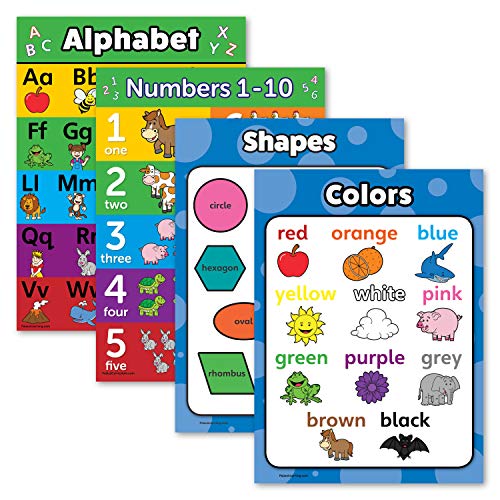
The Palace Learning 4 Pack Poster Set provides a balanced collection for early literacy and foundational skills. Each poster measures 18″ by 24″ and features high-quality 3 mil lamination for added durability and tear resistance. The curated set includes an ABC alphabet poster alongside numbers 1-10, shapes, and colors, offering a broad visual reference for toddlers and preschoolers. Laminated surfaces support reuse with dry-erase markers, enabling quick practice sessions and easy cleanup.
Just Smarty Alphabet Wall Chart for Toddlers

This alphabet wall chart emphasizes foundational literacy through sounds, words, and numbers. It is designed with speech therapy in mind, making it a practical tool for language development and autism-friendly play. The product engages toddlers and preschoolers with musical prompts and familiar song selections to reinforce word recognition and memory, supporting learning through rhythm and repetition.
Alphabet Learning Pocket Chart (XL)

This pocket chart focuses on A to Z letter recognition through interactive, hands-on activities. It features vibrant colors, engaging imagery, and a variety of cards to practice lowercase and uppercase letters, handwriting tracing, beginning sounds, and simple word building. Built-in card storage helps keep materials organized for classroom centers or home use, making it a versatile teaching aid for daily literacy routines.
Torlam Alphabet Pocket Chart

Torlam’s alphabet pocket chart emphasizes focused letter practice with a suite of activities designed to improve recognition, vowels/consonants, tracing, and beginning sounds. The chart is appropriate for preschool and kindergarten settings, supporting both classroom instruction and homeschool activities. With multiple theme cards, it keeps learners engaged while reinforcing essential literacy concepts and spelling basics.
Electronic Alphabet Wall Chart

This interactive, talking alphabet wall chart pairs visuals with audio prompts to help children learn letters, numbers, and basic shapes. The back side expands topics to include colors and counting, offering a comprehensive cognitive boost. The device is lightweight and portable, facilitating use during car trips or in small-group settings, and it invites touch-based engagement to reinforce learning through exploration and listening.
Just Smarty Interactive Alphabet Wall Chart

This interactive wall chart combines ABCs and 123s with a responsive light system that changes color with music and provides feedback on correct or incorrect answers. It supports memory, spelling, and basic logic development, particularly for toddlers and preschoolers. The engaging lights and songs make learning visible and enjoyable, reinforcing letter sounds and early numeracy through interactive play.
Palace Curriculum ABC Alphabet Poster Chart

This double-sided, 18″ x 24″ laminated poster offers flexible display orientations—front vertical and back horizontal. The high-grade lamination provides durability for repeated use in busy learning environments. The two-sided design allows educators and caregivers to adapt the display to different activities or room layouts, maximizing classroom space and keeping essential letters in sight for ongoing recall.
Just Smarty Interactive Alphabet Wall Chart (Girl Edition)

This edition emphasizes early literacy for toddlers and preschoolers, focusing on alphabet mastery, word associations, and basic counting. It includes several engaging musical elements to encourage practice and retention. The design targets learning through play, with a kid-friendly interface that supports both independent and guided activities, making it a solid option for home classrooms and daycare settings.
Buying Guide: Key Purchase Considerations
- Learning goals: Determine whether you want letter recognition, phonics, counting, or a broader early literacy focus. Some charts emphasize sound identification, others support handwriting tracing.
- Durability and durability features: Laminated posters and pocket charts provide long-lasting use in busy environments. Consider tear resistance and storage solutions for cards and accessories.
- Interactivity: Interactive talking or light features can boost engagement for toddlers, but may require batteries or setup time. Choose based on your child’s attention span and preferences.
- Display format: Wall charts, pocket charts, and double-sided posters offer different interaction styles. Pocket charts support hands-on activities and small-group work, while wall charts provide a constant reference.
- Age appropriateness: Ensure the product targets toddlers or preschoolers, with appropriate font sizes, imagery, and complexity to avoid frustration or boredom.
- Educational scope: Some sets include numbers, shapes, colors, and songs, delivering a more integrated approach. Consider if you want a single resource or a broader kit.
- Storage and organization: Look for built-in card storage or bundled accessories to keep learning materials tidy and readily accessible during lessons.
- Ease of use: Simple, intuitive designs help young learners participate independently. Clear visuals and minimal setup time are advantageous for parents and educators.
- Portability: If you travel or teach in varied spaces, portable options like compact posters or lightweight electronic displays can be valuable.