Finding effective, engaging tools to help young children regulate anger can be challenging. This article highlights five evidence-informed options designed to teach coping strategies, emotional literacy, and social skills through play. Each item below is suitable for home, therapy, and classroom use, with features that support children ages 5 and up. The selections emphasize calm-down techniques, mindfulness, and social-emotional learning in approachable formats.
| Product | Brand | Core Skill Focus | Ideal Setting |
|---|---|---|---|
| Thought-Spot Mad Smartz Anger Management & Social Skills Game | Thought-Spot | Impulse control, empathy, social skills | Home, school, therapy |
| SkillEase CHILL Anger Management for Kids | SkillEase | Anger triggers, breathing, calm-down strategies | Therapists, families |
| Open The Joy Anger Management Card Game | Open The Joy | Emotional regulation, mindfulness, SEL cards | Home, school, counseling |
| Behind The Anger Card Game | Behind The Anger | Emotion awareness, coping skills | Family therapy, classrooms |
| Toss ‘n Talk-About Anger Management Ball | S&S Worldwide | Emotion sorting, conversation prompts | Home, therapy |
These products provide structured activities that encourage kids to name feelings, identify triggers, and practice constructive responses. They can be used standalone or as part of a broader SEL curriculum, CBT-informed play, or behavioral support plan. When selecting a tool, consider your child’s age, attention span, and whether you prefer a card-based, tactile, or physical-play approach. The following sections present detailed overviews to help you choose the best fit.
Thought-Spot Mad Smartz Anger Management Game

Mad Smartz is a card-based game inspired by Uno, designed to strengthen anger management and social skills. It addresses empathy, cooperation, and emotional regulation through engaging prompts and tip cards. The game emphasizes learning through play, offering strategies that children can recall during real-life moments of frustration. It is marketed as beneficial for children with ADHD and autism, providing structured ways to respond to emotional challenges. The format supports either solo practice with guidance or group play in therapy, classroom, or family settings. Typical play involves answering questions and reviewing tips to reinforce healthier responses to anger.
SkillEase CHILL Anger Management for Kids

CHILL is developed by a speech-language pathologist and a parent, blending professional insight with practical family-based strategies. The game guides children to recognize anger triggers and to practice calming techniques in a playful setting. Gameplay involves moving toward an Ice Castle while employing techniques such as deep breathing, empathy, and positive thinking. This approach supports speech and language goals alongside emotional regulation, making it a versatile resource for therapists, teachers, and families seeking to bolster coping skills in a supportive, interactive format.
Emotional Rollercoaster By S.T.O.R.M.
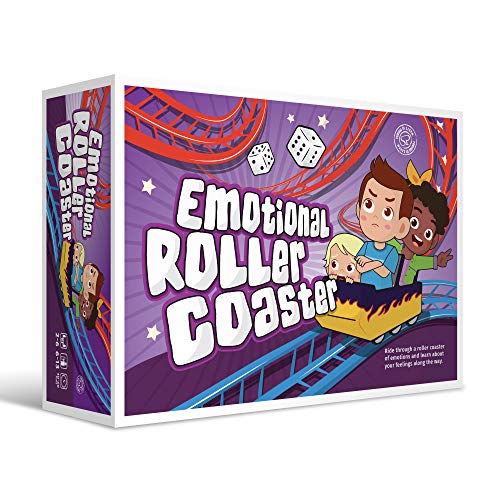
Emotional Rollercoaster is a family-friendly board game designed to teach anger management through mindfulness and breathing exercises. It provides opportunities to explore what triggers anger and to practice coping strategies in a social setting, whether at home or in a classroom. The game emphasizes problem-solving and emotional regulation as core components, supporting both individual and group learning. It’s suitable for children who prefer collaborative activities and can complement teacher-led SEL activities or therapy sessions focused on emotional literacy and coping skills.
Open The Joy Anger Management Card Game

Open The Joy offers a deck of over 50 illustrated SEL cards focused on emotional regulation. The product guides kids through a simple four-step self-regulation process: Calm Body, Calm Mind, Shift Focus, and Take a Mini-Break. The colorful, engaging prompts support mindfulness, coping skills, and social-emotional learning, helping children recognize and articulate feelings while adopting healthier responses to anger and frustration. The card format makes it easy for use at home, in therapy, or in schools to build daily practice into routines.
Behind The Anger Card Game

Behind The Anger is a Go Fish-style card game designed for family therapy and classroom use. It helps kids identify emotions, discover what lies behind anger, and match each feeling with a coping skill. The format supports positive communication, emotional awareness, and impulse control. It is especially helpful for children who need visual prompts and structured activities to practice healthy responses to anger in real-life situations, with applicability to ADHD-focused interventions and broader CBT-based strategies.
Toss ‘n Talk-About Anger Management Ball

The Toss ’n Talk-About ball invites children to explore inner growth through interactive prompts. The inflatable ball features questions, quotes, and positive affirmations to prompt reflection and discussion about emotions. It provides a tactile, socratic approach to anger management, encouraging kids to observe deep feelings and articulate their experiences in a non-threatening way. This option suits group activities, therapy sessions, and family games that aim to foster emotional insight and communication skills.
Vibes Therapy Games for Teens & Kids 6+ (StrongSuit)

Vibes Therapy Games combine a 2-in-1 approach to emotion recognition through a magnetic dartboard and a broad card deck with emotional and social prompts. The dual format supports younger children learning basic recognition and older kids exploring deeper social interactions and coping strategies. The magnetic dartboard promotes safe, active play while encouraging discussion about feelings, self-regulation, and attention. It is suitable for one-on-one sessions, group therapy, and classroom SEL activities, aligning with CBT and SEL frameworks.
Buying Guide: Key Considerations for Anger Management Toys
- Age and developmental fit: Choose tools aligned with a child’s cognitive level, language ability, and attention span. Some games emphasize quick prompts, while others require longer sessions and collaborative play.
- Therapy versus home use: Card-based or board games are often ideal for clinical settings, while ball-and-dart activities and physical play work well at home for daily practice.
- Evidence-informed approaches: Look for games that incorporate mindfulness, breathing techniques, cognitive-behavioral strategies, and emotion labeling to support lasting skills.
- Social-emotional learning alignment: Tools should help children identify feelings, triggers, and coping strategies, while promoting empathy and communication with peers and adults.
- Durability and setup: Consider materials, ease of setup, and portability for quick sessions. Parents and therapists may prefer durable, washable options for frequent use.
- Inclusivity and accessibility: Opt for products with plain language prompts, visual supports, and adjustable difficulty to accommodate children with varied needs.
- Family and classroom integration: Some games are better suited for family routines, while others are designed to support classroom SEL curricula or therapy goals; plan how to integrate them into existing routines.
- Measurement of progress: Look for prompts or cards that can track improvements in impulse control, emotion labeling, and calm-down skills over time.
Each of the featured products offers a unique pathway to building anger management skills through engaging play. When selecting, consider whether you want a structured, card-based approach, a physical activity that promotes movement and discussion, or a therapy-aligned tool that can be adapted for multiple settings. Combining two or more formats can provide a robust, multi-modal strategy for helping a child develop calmer responses to anger and stronger social-emotional competencies.