Explore top architectural model kits that blend creativity with engineering for young builders. This guide highlights five kid-friendly options that develop spatial reasoning, planning, and basic construction skills through hands-on play. Each kit offers real-world building inspiration, step-by-step assembly, and lasting educational value for aspiring architects and engineers.
Summary Table of Selected Products
| Product | Brand | Key Focus |
|---|---|---|
| Architectural Engineering Kit | Thames & Kosmos | Structural elements, trusses, arches, domes |
| Art-chitect Home Design Kit | MindWare | Home design, floor plans, basic architecture drawing |
| Structural Engineering: Bridges & Skyscrapers | Thames & Kosmos | Forces, load, compression, tension |
| White House 3D Puzzle | Liberty Imports | 3D architectural model, easy assembly |
| London Skyline LEGO Architecture | LEGO | Landmark architecture, modular build |
Thames & Kosmos Architectural Engineering Kit

In this comprehensive kit, players assume the roles of architect and engineer to build more than 20 models of structural elements and real-world buildings. Start with basic trusses, arches, and domes, then progress to scaled-down versions of famous structures. New flexible building pieces mimic steel frames, and all plastic parts are compatible with other Thames & Kosmos engineering and physics kits. The set encourages experimentation with structural design and real-world engineering concepts, offering a broad foundation in architectural thinking.
MindWare Art-chitect Home Design Kit

This home design planner introduces kids to creative design and professional drawing techniques while reinforcing geometry concepts. The kit focuses on architecture design from concept to finished model, allowing young builders to explore what’s involved in turning design dreams into tangible, three-dimensional homes. Included materials support conceptualization, layout planning, and visualization, making it suitable for budding architects who enjoy hands-on, design-forward activities.
NATIONAL GEOGRAPHIC Da Vinci Model Kit: Catapult

This National Geographic model kit includes three functional machines—a ballista, a bombard, and a catapult—providing an engaging way to explore ancient engineering concepts. With laser-cut wooden components, rubber bands, sanding materials, and clear instructions, builders can assemble each model in a few hours without special tools. The project introduces basic physics and engineering principles through hands-on construction and experimentation, suitable for curious kids who enjoy historical engineering stories.
Liberty Imports White House 3D Puzzle

Build a 3D replica of the White House with 35 interlocking pieces. The puzzle offers a hands-on way to explore architectural detailing, including doors, windows, and columns. Aimed at both adults and kids, this easy-to-difficulty puzzle provides a decorative finished model once assembled. No glue or scissors are required, and the build time typically ranges from 60 to 100 minutes, making it a quick yet educational challenge for family tinkering sessions.
LEGO Architecture London Skyline
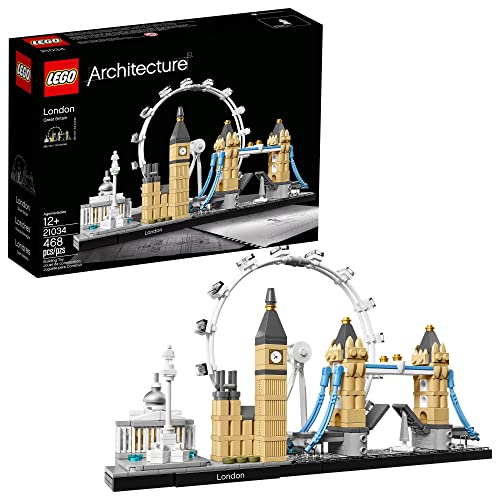
This LEGO Architecture kit captures the London skyline with landmarks such as the National Gallery, Nelson’s Column, London Eye, Big Ben, and Tower Bridge. It blends classic brick-building with architectural appreciation, offering a detailed, expandable build for older children and adults. The model emphasizes recognizable cityscape features and encourages creative display once completed, while providing a hands-on exploration of architectural form and proportion through modular construction.
Buying Guide: Key Purchase Considerations
When choosing an architectural model kit for kids, consider the following factors to ensure the best fit for age, interest, and learning pace:
- Age and Skill Level: Look for kits labeled for ages 8–12 or older if your child is comfortable with assembly and following plans. Some sets are more open-ended, while others are highly structured.
- Educational Focus: Decide whether the goal is structural engineering concepts, architectural design, or pure design and creativity. Some kits emphasize forces and materials; others emphasize floor plans and aesthetics.
- Complexity and Time: Consider how long the build will take and whether it should be a single-session project or a multi-day activity. Some sets include many parts and steps; others are shorter or provide multiple sub-projects.
- Materials and Compatibility: Check whether the kit uses plastic components, wood, or paper, and whether pieces are compatible with other kits you own for expandable play.
- Hands-On Learning vs. Display Value: Decide if you want a kit that yields a durable display model or a project that prioritizes learning experiences and experimentation.
- Budget and Reusability: Some sets offer more models and long-term play potential, while others are focused on a single project. Reusability can affect long-term value.
- Safety and Tools: Ensure parts are safe for your child’s age, and verify whether any tools are required or included. Many kits require no special tools beyond basic assembly.
- Theme Variety: A mix of kits—historic landmarks, bridges, houses, and city skylines—can keep interest high and broaden exposure to different architectural styles.
Overall, the best architectural model kit for kids balances educational value with engaging, age-appropriate challenges. The selections above offer a blend of structural engineering concepts, design-focused play, and iconic architectural subjects to inspire the next generation of builders and designers.