Discover top-rated, award-winning toys that support early learning, creativity, and fine motor skills for 3-year-olds. The selections below are recognized for their engaging design, educational value, and broad appeal for both kids and parents. Each product emphasizes interactive play, language development, counting, and problem-solving to foster a solid foundation for early childhood growth.
| Product | Brand | Key Benefit |
|---|---|---|
| Zingo Bingo | ThinkFun | Language and matching skills through fast-paced play |
| My First Piano Book | BEST LEARNING | Intro to music and simple keyboard concepts |
| My First Match It! | The Learning Journey | Animal themes and self-correcting puzzles |
| Balance Math Game | TOP BRIGHT | Hands-on counting and basic arithmetic with balance |
| The Ladybug Game! | Zobmondo!! | Early reading and counting in a cooperative storyline |
The following sections provide concise overviews of each toy, its educational focus, and how it supports development in preschoolers. Each entry includes a clickable link to its Amazon listing for quick reference.
Zingo Bingo Award Winning Preschool Game

ThinkFun Zingo Bingo is designed for pre-readers and early readers, offering a fast-paced, language-building game suitable for four-year-olds and up. The set includes an extra Zingo card to accommodate up to seven players and a unique Zinger device that adds suspense and delight. It remains popular in classrooms and homes for developing word recognition, matching skills, and social interaction during play. The game emphasizes beginner-level skill development while maintaining kid-friendly excitement.
My First Piano Book Educational Toy
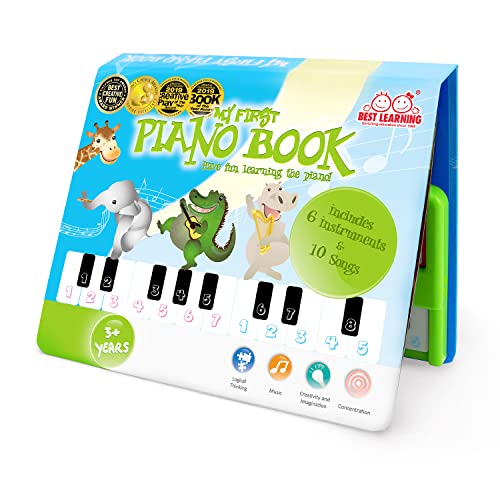
The My First Piano Book blends music exploration with a portable, book-sized piano. Multiple awards highlight its educational value, including Mom’s Choice Gold Metal and other creative awards. The package includes an illustrated songbook, a color-coded key chart, and access to ten songs with six musical instruments, offering an approachable entry into basic keyboard concepts. It’s a practical, engaging introduction to music for preschoolers with an emphasis on memory and playback to reflect progress.
My First Match It! – Head and Tails

The Learning Journey’s My First Match It! centers on head-and-tail animal memory puzzles designed for ages 2-5. The puzzles encourage conversation, social skills, and imaginative play by featuring friendly animal imagery. With self-correcting designs, children reinforce problem-solving and basic logic as they match pieces, gradually increasing challenge and supporting early cognitive development in an approachable format.
Top Bright Balance Math Game

The Balance Math Game combines tactile play with early math concepts. The balancing mechanism supports counting, color and shape recognition, and basic arithmetic in a visual, hands-on context. The cake-shop storage and pretend-money elements add a playful pretend-play layer, helping kids understand numbers, subtraction, and budgeting in a kid-friendly setting. It’s designed to interest both 3-year-olds and slightly older children as a bridge to more complex math tasks.
The Ladybug Game! Award Winning Kids Board Game
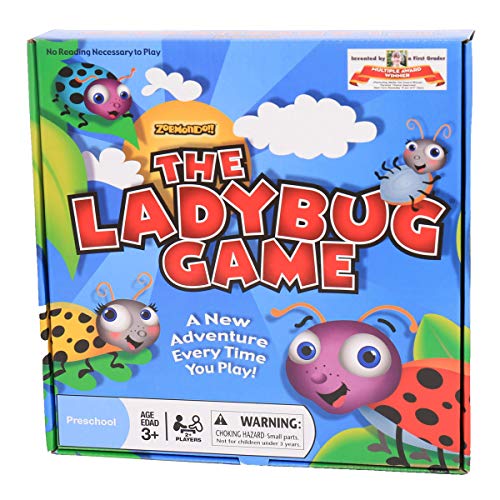
The Ladybug Game! invites children to lead ladybugs to the Rose Garden while dodging a praying mantis and collecting aphids to feed a Lazy Ants group. Its charming graphics and simple rules support early reading and counting skills, making it a suitable introductory board game for kids. Designed to be easy to learn, it encourages independent play and provides a gentle narrative structure that engages young minds in logical thinking and sequencing.
Buying Guide: Key Purchase Considerations
When selecting award-winning toys for 3-year-olds, consider the following factors to balance learning value with playability:
- Educational focus: Look for specific skills such as early literacy, number sense, memory, or fine motor skills. The best toys integrate education with fun rather than feeling like drills.
- Age appropriateness: Check recommended ages and ensure the complexity matches developmental readiness. Self-correcting puzzles and simple rules are ideal for this age.
- Social interaction: Many preschool toys promote collaborative play or family participation, which supports language development and social skills.
- Durability and safety: Choose sturdy materials with kid-friendly finishes. Avoid small parts for younger children to minimize choking hazards.
- Portability and storage: Consider compact options or those that include storage solutions, which helps maintain order in busy households or classrooms.
- Award credibility: Awards from recognized organizations or media outlets can indicate sustained quality and educational value.
To maximize long-term value, pair these toys with guided play that structures time for exploration, storytelling, and problem solving. Rotating activities maintains engagement and supports ongoing development across cognitive, linguistic, and social domains.