Choosing the right balance bike helps toddlers build confidence, balance, and coordination before transitioning to pedal bikes. This article highlights five popular options that blend safety, growth potential, and engaging features. Each pick is explained with key details and usability notes to help caregivers decide which model best fits a child’s development stage and a family’s needs.
| Product | Brand | Age Range | Highlights |
|---|---|---|---|
| KRIDDO Toddler Balance Bike (White) | KRIDDO | 24 Months – 5 Years | Customize plate; sturdy carbon-steel frame; up to 110 lbs |
| KRIDDO Toddler Balance Bike (Night) | KRIDDO | 24 Months – 5 Years | Customize plate; same safety frame and features; night variant |
| Gotrax KS12 Balance Bike | Gotrax | 2+ Years | LED lights; adjustable seat & handlebar; flat-free tires |
| Strider 12” Sport Bike (Pink) | Strider | 1 – 4 Years | Pedal-free; easy assembly; safety padding |
| Colorful Lighting 12 Inch No Pedal Bike (M SANMERSEN) | M SANMERSEN | 24 Months – 5 Years | Dual LED lighting wheels; adjustable components |
KRIDDO Toddler Balance Bike — White
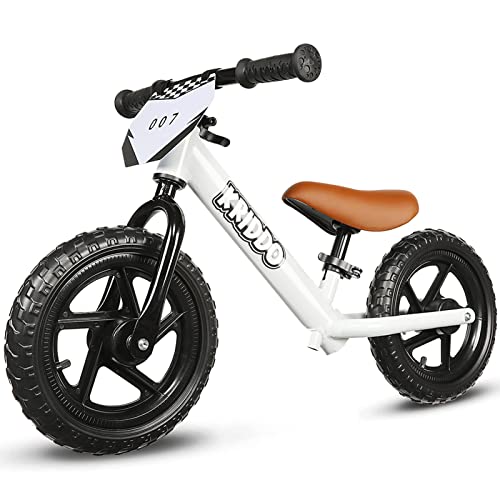
The KRIDDO Balance Bike combines a kid-friendly design with a sturdy carbon-steel frame capable of supporting up to 110 lbs. It emphasizes safety through soft grip handlebars and a soft PU seat, making it suitable for toddlers learning balance. A removable customizable plate allows children to personalize their bike with included sticker sets. This model targets a broad age range from about 2 to 5 years, supporting push, stand, and glide movements as foundational motor skills develop.
KRIDDO Toddler Balance Bike — Night

This variant maintains the same core safety and design features as the white KRIDDO model, including a wide carbon-steel frame and soft components. The Night version offers the same 2-to-5-year suitability, with the added aesthetic option of a darker color scheme. The removable customize plate and sticker sets support early creative expression, while the bike’s stability promotes secure practice of balance, steering, and basic coordination for young riders.
Gotrax KS12 Balance Bike

The Gotrax KS12 adds visual appeal with built-in LED lights on the wheels, which can help attract a child’s attention during playtime or evening strolls. The bike is adjustable—seat height extends, and handlebar width can be widened—so it can grow with a child. It also features flat-free tires and a lightweight frame, making it easier for caregivers to manage while a toddler learns to balance, push, and steer without pedals.
Strider 12” Sport Bike — Pink

The Strider 12” Sport Bike is a classic no-pedal balance bike that emphasizes immediate confidence-building through simple, pedal-free operation. Its design prioritizes safety padding, durable materials, and tool-free assembly so caregivers can quickly prepare the bike for a child. The model targets ages 1 to 4, supporting early balance development and easy progression to bikes with pedals when the child’s confidence and coordination improve.
Colorful Lighting 12 Inch No Pedal Bike — M SANMERSEN
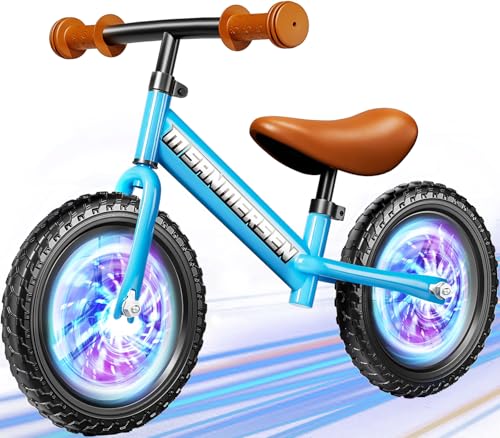
This model features upgraded dual LED lighting on the wheels to capture a child’s interest and make rides more engaging, especially in lower light settings. The braking and steering are designed for young children, with adjustable handlebars and seat to accommodate growth. A sturdy carbon-steel frame, safe grips, and a comfortable seat support a stable ride, encouraging prolonged practice and helping youngsters transition to pedal bikes smoothly as they mature.
Buying Guide
- Age and size compatibility: Most 12-inch balance bikes suit ages 2 to 5, but always verify the child’s height and inseam to ensure a comfortable reach to the ground and handlebars.
- Adjustability: Look for adjustable seat height and handlebar width to extend the bike’s usable life as a child grows, reducing the need for new bikes too soon.
- Weight capacity: Choose models with a robust frame and a higher weight limit to accommodate growing children and avoid early replacements.
- Safety features: Soft grips, non-slip seats, padded frames, and stable wheelbases contribute to safer practice; consider models with full-coverage padding or protective mats for indoor use.
- Wheels and tires: Flat-free or air-filled tires affect ride quality and maintenance. Solid tires reduce punctures, while air tires provide better traction on varied surfaces.
- Riding environment: Indoor use benefits from lighter weights, reduced noise, and non-marking tires. Outdoor use benefits from rugged frames and weather resistance.
- Personalization: Some bikes include customizable plates and sticker sets, which can boost a child’s interest and ownership of their first bike.
- Progression: Consider how easily the bike can transition into a pedal bike, as this aligns with a child’s growing balance and confidence levels.