RC planes rely on strong, lightweight wing tubes to keep wings secure without adding unnecessary weight. Carbon fiber tubes offer high stiffness, corrosion resistance, and excellent tensile strength, making them a popular choice for wing spars and structural reinforcement. This guide highlights five top MECCANIXITY carbon fiber rod options that are well-suited for RC plane builds, repairs, and upgrades. Each product section below includes a quick overview, key specs, and practical use cases to help you choose the right diameter and length for your airframe.
Summary of chosen products:
| Product | Diameter | Length | Pack Size |
|---|---|---|---|
| MECCANIXITY Carbon Fiber Rod, 5mm x 300mm | 5 mm | 300 mm | 5 pcs |
| MECCANIXITY Carbon Fiber Rod, 3mm x 500mm | 3 mm | 500 mm | 5 pcs |
| MECCANIXITY Carbon Fiber Rod, 4mm x 500mm | 4 mm | 500 mm | 3 pcs |
| MECCANIXITY Carbon Fiber Rod, 6mm x 150mm | 6 mm | 150 mm | 4 pcs |
| MECCANIXITY Carbon Fiber Rod, 4mm x 100mm | 4 mm | 100 mm | 6 pcs |
MECCANIXITY 5mm x 300mm Carbon Fiber Rod

The MECCANIXITY 5mm x 300mm carbon fiber rods are designed for RC planes, quadcopters, and other lightweight structures. With a diameter of 5 mm and a length of 300 mm, these rods offer a balance of stiffness and flexibility suitable for wing spars and reinforcement. The pack includes 5 pieces, enabling multiple wing sections or spares. The material is carbon fiber, delivering high strength, corrosion resistance, and good tensile strength. They’re lighter than aluminum and have excellent surface smoothness and straightness for precise fits.
MECCANIXITY 3mm x 500mm Carbon Fiber Rod

This 3 mm by 500 mm carbon fiber rod is ideal for thinner wing sections, tail reinforcement, or stringer replacements in smaller RC airframes. The rod’s 500 mm length allows longer, more continuous wing spars or internal rib supports. Carbon fiber’s specific strength is higher than carbon steel while remaining lighter, and the rod exhibits strong tensile strength with good electrical conductivity. The pack contains five pieces, aiding build consistency and repair options across multiple projects.
MECCANIXITY 4mm x 500mm Carbon Fiber Rod
For mid-range wing tubes and reinforcement, the 4 mm x 500 mm rod is a versatile choice. It provides a robust stiffness-to-weight ratio, which is beneficial for wing spars that must resist torsional loads without bending. The product notes emphasize high strength, corrosion resistance, surface smoothness, and straightness, contributing to reliable assembly. The 3-piece pack accommodates multiple build sections or spare parts for future projects.
MECCANIXITY 6mm x 150mm Carbon Fiber Rod

The 6 mm x 150 mm option delivers higher stiffness over a shorter length, suitable for compact wing sections or reinforcement in thicker airframes. Its compact length makes it easy to fit into tight internal cavities or near wing-fuselage junctions. The rod’s features highlight high strength, corrosion resistance, smooth surface, and good tensile strength. This size is a solid choice when you need a sturdy, readily rod-like wing tie-in without extending too far into the airframe.
MECCANIXITY 4mm x 100mm Carbon Fiber Rod
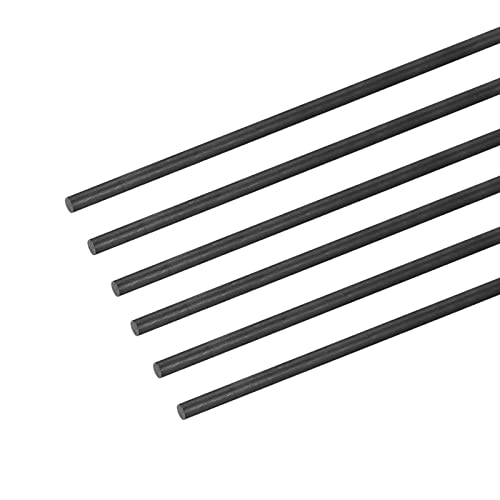
The 4 mm diameter rod at 100 mm length offers a compact option for small-scale projects or minor wing repairs where shorter leads are preferred. It pairs well with other longer tubes to create reinforced sections without adding excessive length. As with the other MECCANIXITY rods, it emphasizes a high-strength, lightweight carbon fiber composition, excellent straightness, and strong tensile performance, making it a practical addition to an RC toolkit.
Buying Guide
Key considerations when selecting carbon fiber wing tubes for RC planes include diameter and length in relation to your airframe, weight targets, and load requirements. Thicker rods (6 mm and 4 mm variants) provide greater stiffness for high-wing loads or larger models, while thinner rods (2–3 mm) suit lightweight, smaller airframes or tail reinforcements. Pack size matters for consistency across wings or multiple repair jobs. Surface finish and straightness influence fit and accuracy, reducing the need for rework.
Material and manufacturing quality play a crucial role. Carbon fiber offers high specific strength and modulus, contributing to strong yet lightweight structures. Consider compatibility with your mounting hardware, adhesive choices, and whether you need decorative finishes or 3D-appearing tubes for aesthetics. Temperature tolerance and UV exposure are relevant for outdoor aircraft that may endure sun and heat over seasons.
Support several design perspectives: structural reinforcement, wing spars, and repair components. For heavy-lift planes or larger wings, higher-diameter tubes with longer lengths may be preferred, while smaller park flyers benefit from shorter, lighter rods. Availability in packs can simplify stocking and future upgrades, ensuring you have the right diameters on hand for seamless builds and repairs.
Practical tips for installation include ensuring clean ends, using compatible adhesives or end caps, and aligning rods with minimum torsion. When cutting longer tubes, use a precise saw and deburr edges to avoid stress risers. Always verify fit before permanent bonding, and test any wing assembly under safe, low-speed conditions before flight testing to confirm secure connections and predictable behavior.