Choosing the right coding toys for five-year-olds can spark curiosity, build problem-solving skills, and lay a foundation for future STEM success. The options below include screen-free robots and interactive games that teach basic programming concepts through play. Each pick encourages hands-on exploration, storytelling, and creativity while keeping learning engaging and age-appropriate.
| Product | Brand | Ages |
|---|---|---|
| Learning Resources Botley The Coding Robot 2.0 Activity Set | Learning Resources | 5+ |
| Learning Resources Botley The Coding Robot Activity Set (77 Pieces) | Learning Resources | 5+ |
| Learning Resources Code & Go Robot Mouse Activity Set | Learning Resources | 4-8 |
| MatataStudio Talebot Pro Coding Robot | MatataStudio | 3-5 |
| Ruko 1088 Smart Robots | Ruko | 4-9 |
Product selections focus on screen-free or minimal-screen experiences, age-appropriate challenge, and clear progression in coding concepts. Each section below highlights a top pick, what makes it suitable for five-year-olds, and key features drawn from the official product descriptions.
Botley The Coding Robot 2.0 (78 Pieces)

The Botley 2.0 set introduces a Next-Gen coding robot designed for early programmers. Out-of-the-box coding lets kids explore sequencing, timing, and simple commands through hands-on play. The expanded set allows transformations—turn Botley into a train, police car, ghost, and more—fostering imaginative play while reinforcing basic programming ideas. Coding styles include music, lights, and movements, offering multiple avenues for creative problem-solving without screens. This kit is ideal for classroom use or home learning, supporting critical thinking and collaborative play as children experiment with different code patterns.
Botley The Coding Robot Activity Set (77 Pieces)
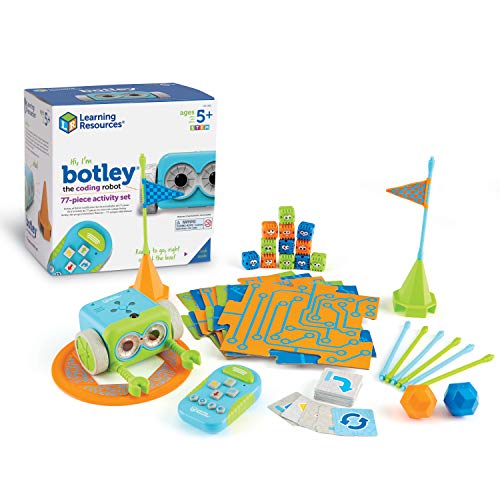
Botley’s 77-piece set emphasizes screen-free coding with a programmable remote and easy-to-use commands. The robot helps kids develop early STEM skills through active play while promoting critical thinking and problem-solving. The bundle’s design supports quick readiness—after inserting batteries, children can begin coding in minutes. Because the play is screen-free, it aligns with families seeking tangible, hands-on learning experiences. The remote programmer enables kids to explore sequences, loops, and cause-and-effect in a tactile, approachable way, making Botley suitable for home or classroom settings.
Code & Go Robot Mouse Activity Set
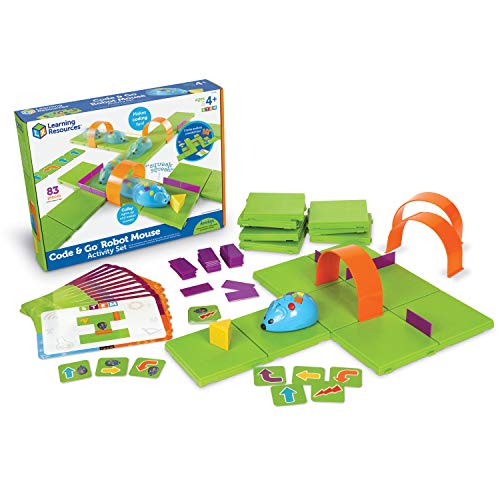
This robotics kit introduces fundamental programming concepts through a screen-free approach. The Robot Mouse guides kids aged 4–8 to plan routes, create sequences, and troubleshoot when plans don’t work as expected. A progression system uses 10 double-sided cards that gradually increase in difficulty, helping children build confidence and coding skills at their own pace. The hands-on design promotes problem-solving and logical thinking, with a friendly character that makes early coding accessible and engaging for five-year-olds stepping into computational thinking.
Talebot Pro Coding Robot (MatataStudio)

Talebot Pro blends storytelling with interactive coding. The robot features a map, voice feedback, and up to 256 commands to learn concepts like sequences and loops. It emphasizes screen-free learning while offering engaging play through actions such as walking, drawing, singing, dancing, and recording. The storytelling angle encourages language development and imaginative play, helping five-year-olds connect coding steps with narrative outcomes. This option suits households that value creative literacy in addition to engineering concepts, providing a flexible, play-based learning path.
Ruko 1088 Smart Robots

Ruko 1088 offers a large, interactive programmable robot with voice and app control that can engage kids through various activities. Its 15.8-inch height and multiple modes foster imagination while introducing basic programming concepts. With 10 songs, 9 joints, and multiple expressions, the robot becomes a dynamic partner for storytelling, music, and motion. The product supports early engineering thinking, sequencing, and logic, and appeals to kids who enjoy exploring how instructions translate into actions. While some activities rely on additional devices, the broad feature set makes it a compelling option for curious five-year-olds ready for more complex play.
Buying Guide
Key considerations when selecting coding toys for five-year-olds:
- Screen-free vs. screen-based: Screen-free options reduce passive screen time and emphasize hands-on problem solving, while some apps can extend learning but may require supervision.
- Age appropriateness and progression: Look for toys that offer simple beginnings (sequencing and direction) with gradual complexity (loops, conditionals) to match a child’s growing skills.
- Hands-on engagement: Physical controllers, cards, maps, or storybooks help kids translate concepts into actions, reinforcing memory and understanding.
- Storytelling and creativity: Toys that incorporate storytelling or role-play (robots with maps, interactive characters) support language development and imaginative thinking.
- Durability and safety: Durable materials and kid-friendly components are important for everyday use and long-term learning.
- Expandability: Kits that add more pieces or modules provide continued learning as a child’s abilities evolve.
- Teacher and caregiver usability: Simple setup and clear instructions help adults facilitate guided play and learning outcomes.
Comparison at a glance:
- Best for immediate hands-on coding: Botley 2.0 and Botley 77-piece sets offer quick setup and robust screen-free coding experiences.
- Best for storytelling and language skills: Talebot Pro combines coding with interactive maps and voice feedback for creative learning.
- Best for age-appropriate problem solving: Code & Go Robot Mouse focuses on planning routes and sequencing with a gradual difficulty ramp.
- Best for a larger, imaginative robot experience: Ruko 1088 provides a dynamic presence with multiple modes and musical interactions.
When choosing, consider your child’s interests—whether they prefer storytelling, math-and-logic challenges, or hands-on play. All five options support foundational coding concepts in engaging formats suitable for five-year-olds, while offering pathways to more advanced coding skills as they grow.