Choosing the right electric toy for a 10-year-old blends imagination with learning. The following picks emphasize hands-on building, circuitry, music, robotics, and safe, age-appropriate play. Each option below helps develop problem-solving, fine motor skills, and creativity while keeping screen time in check. Explore five carefully selected products that offer engaging challenges, clear instructions, and opportunities for family interaction.
Summary of chosen products (no prices):
| Product Name | Brand |
|---|---|
| Smartivity DIY Pinball Machine for Kids | Smartivity |
| National Geographic Circuit Maker Kit | Blue Marble |
| Sboet Electronic Drum Set | Sboet |
| PlayRoute Electronic Brain & Memory Game Cube | PlayRoute |
| Hiboy DK1 36V Electric Dirt Bike | Hiboy |
Smartivity Pinball Machine For Kids

Smartivity’s DIY Pinball Machine offers a screen-free, hands-on build that introduces core STEM concepts. The project encourages experimentation with levers, ramps, and motion, helping children understand basic physics while boosting confidence and creativity. The kit is designed for ages 8 through 14, making it accessible for curious 10-year-olds as well as older kids seeking a challenging project. A key benefit is the included parts supply and easy-to-follow instructions that keep playtime flowing without frequent interruptions for missing pieces.
Features center on practical learning: building a mechanical arcade-style game, understanding mechanical advantage, and exploring cause-and-effect relationships. The product emphasizes safe, classroom-style instruction that translates well to family learning sessions, with lifetime replacement parts to ensure longer-lasting play. The combination of guided steps and open-ended play supports different learning paces and encourages kids to experiment beyond the manual.
National Geographic Circuit Maker Kit

This electronics kit introduces electricity through a broad set of projects, with more than 120 activities designed to teach circuit concepts in a tangible way. Kids can explore keyboard-powered sounds, light shows, mini-copters, and amplified audio, all while learning how circuits control devices. The kit includes kid-friendly videos accessed via QR codes to accompany printed instructions, which helps young learners stay engaged and safe during experimentation.
Safety and age-appropriateness are emphasized, making this kit a strong pick for both individual exploration and guided classroom-style sessions. The diverse project set targets curiosity about how energy flows, how circuits are completed, and how different components interact, aligning well with school curricula and home STEM goals alike.
Sboet Electronic Drum Set

This roll-up drum kit provides a compact, child-friendly way to explore rhythm and music technology. With nine drum pads, two pedals, and built-in speaker options, it supports multiple timbres and rhythm patterns. The device includes a headphone jack for quiet practice, an AUX input to jam with music, and a recording function to capture original compositions. The drum set is suitable for beginners and offers adjustable volume levels to accommodate different listening environments.
Educational value comes from exploring sequence, tempo, and coordination. The included demo songs and multiple modes encourage repeated practice, helping children develop auditory discrimination, timing, and fine motor skills through enjoyable, interactive play.
PlayRoute Electronic Brain & Memory Cube
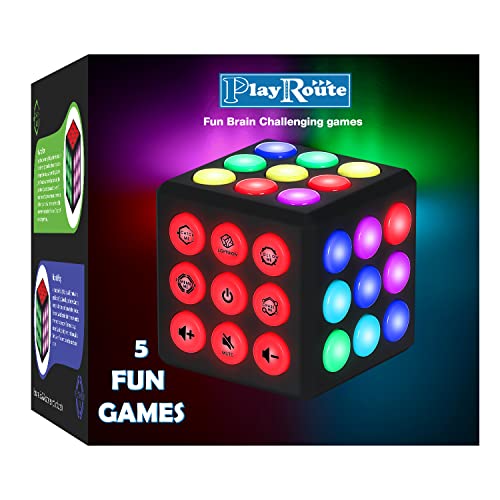
The PlayRoute handheld game cube combines five brain-training games in a compact device, focusing on memory, pattern recognition, and concentration. Its portability makes it an ideal travel companion, turning car rides and waits into mentally stimulating activities. The design targets 6- to 12-year-olds, with quick, engaging rounds that reward attention and recall.
From a developmental standpoint, the device provides a low-distraction way to exercise working memory and executive function, which are important cognitive skills for school success. The variety of games also supports different learning preferences, offering a balance of visual and tactile challenges to maintain engagement.
Hiboy DK1 36V Electric Dirt Bike
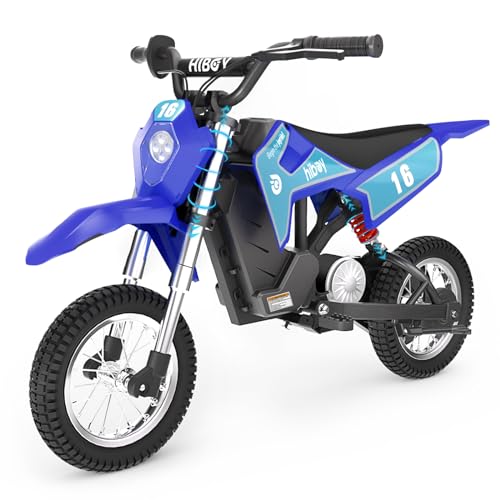
The Hiboy DK1 offers an electric dirt bike experience designed for kids up to about 3-10 years old, with a focus on safe, controlled power and multiple speed modes. The 36V system provides a liquid, responsive ride with a range of up to around 13 miles under optimal conditions. The three safe speed modes—low, medium, and high—allow guardians to tailor the riding experience to a child’s confidence level, ensuring manageable acceleration and braking for younger riders.
From a safety perspective, the design includes a shock-absorbing suspension and a durable frame to minimize jarring. While it introduces mechanical motion and basic motor skills, it remains essential to supervise use and enforce protective gear. This option complements other STEM toys by offering physical learning through motion and balance, alongside cognitive and problem-solving activities in the surrounding play environment.
Buying Guide: Key Purchase Considerations
Intended age, safety, and learning goals should drive selection. For STEM-focused play, opt for kits with clear instructions and open-ended possibilities to expand beyond the manual. Look for kits that include replacement parts or easy access to replacements to maximize longevity. Consider the balance between screen-free builds and interactive digital components, ensuring the mix aligns with the child’s interests.
Project complexity is important. Beginners benefit from guided builds with incremental challenges, while more advanced kids may enjoy projects that encourage experimentation and design iteration. Evaluate whether a product supports parental involvement, which can boost motivation and reinforce learning through shared exploration.
Durability and storage matter for ongoing use. Pieces should be robust, with secure connectors and a reasonable number of parts to prevent loss. Clear safety warnings and age-appropriate usage guidelines help minimize risk during play. Finally, consider whether the toy supports multiple skill areas—engineering, electronics, programming, or music—so the investment yields broad educational value.
Purchasing considerations include the potential for cross-category play, where a single toy can introduce multiple concepts. For example, a circuit kit can pair with a music module to explore how electrical signals drive audio. A programmable robot may be integrated into a problem-solving challenge that mimics real-world engineering workflows. By selecting versatile options, families can maximize learning outcomes while keeping play engaging.