Choosing toys for 2-year-olds requires balancing safety, engagement, and development. The following picks focus on early motor skills, sensory exploration, and simple problem-solving to support typical development at this age. Below, five carefully chosen options highlight interactive play, sturdy construction, and age-appropriate learning. Use the Buying Guide to compare features like durability, educational value, and ease of use for caregivers and toddlers alike.
| Product | Brand | Key Benefit | Suggested Use |
|---|---|---|---|
| World of Eric Carle, Around the Farm 30-Button Animal Sound Book | PI Kids | Interactive animal sounds to boost word association and listening skills | Early vocabulary and sensory play |
| kidus Montessori Magnetic Wooden Fishing Game | kidus | Fine motor practice with safe wooden pieces | Hand-eye coordination and color recognition |
| Learnabee Toys for 2 Year Olds Box Set | Learnabee | Comprehensive learning and creativity tools in one box | Color, number, letter recognition; structured play |
| Snuggle Stuffs Sugar Snap Plush Learn to Dress Doll | Snuggle Stuffs | Practical dress-up play supporting dressing skills | Fine motor practice and independence in dressing |
| SEREED Baby Balance Bike for 1-2 Year Olds | SEREED | Balance, coordination, confidence through pedal-free riding | Gross motor development and safe mobility |
Among the options, each product below is geared toward ages around two years, emphasizing safe materials, age-appropriate challenges, and opportunities for guided exploration. The sections include a brief product focus, a visual element, and features that align with typical 2-year-old milestones such as walking, talking, hand-eye coordination, and basic problem solving. Each item presents a practical way to encourage play that is both enjoyable and educational for toddlers and their caregivers.
World Of Eric Carle Around The Farm Sound Book
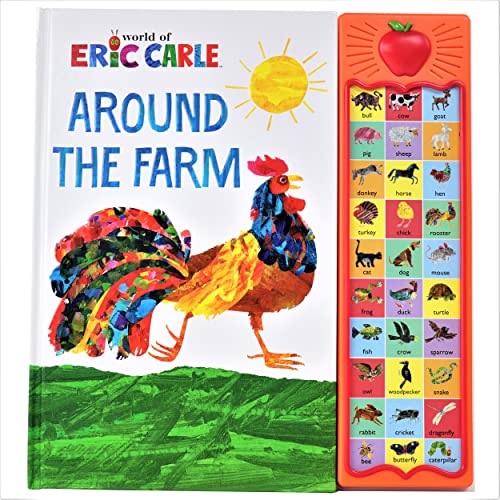
The Around the Farm sound book from PI Kids invites toddlers to press 30 animal buttons, each delivering an animal name and a corresponding sound. This interactive feature helps 2-year-olds improve vocabulary, auditory discrimination, and cause-and-effect understanding. While some parents may appreciate the engaging animal voices and bright illustrations, caregivers should supervise button pressing to ensure gentle use and to keep engagement high over repeated readings.
Key features include a wide variety of farm animals, durable sound buttons, and a clear link between image and sound that reinforces word-object associations. The book targets early language development and is appropriate for group reading as well as one-on-one sharing time. Note that the product is recommended for children ages 3 and older by the brand, so parents may want to gauge their child’s readiness for more advanced interaction or alternate uses for younger siblings under supervision.
kidus Montessori Magnetic Wooden Fishing Game
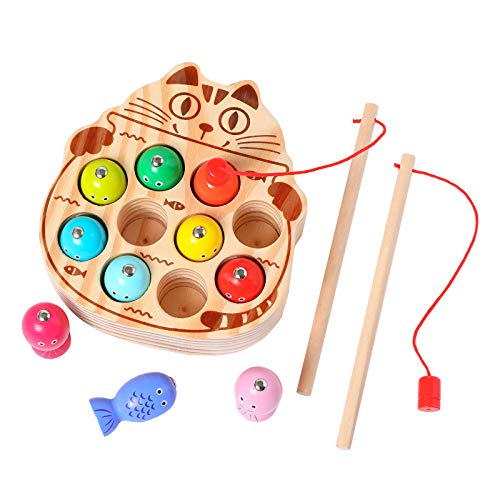
This magnetic fishing game blends classic wooden toy design with Montessori-inspired learning. The set includes two real wood magnetic poles and ten colorful fish pieces designed to develop fine motor skills, hand-eye coordination, and color recognition. Safety features emphasize choking-resistant construction and smooth finishes, suitable for toddlers ages 1–3. The sturdy, eco-friendly materials and rounded edges help reduce hazard concerns while keeping play intuitive and engaging. This toy is well-suited for solo play or cooperative sessions with a caregiver guiding the fishing action.
Learnabee Learning Box For 2 Year Olds

Learnabee’s multi-component learning box offers a balanced mix of board books, learning flashcards, and engaging activities. The contents cover manners, alphabets, numbers, colors, and a Where’s Baby pattern that promotes logical thinking through matching play. A rewards chart supports positive reinforcement, while the sticker craft set encourages creative expression. This box is designed as a screen-free option, fostering persistent attention, early literacy, and collaborative play. It’s a comprehensive, age-appropriate toolkit for exploring foundational concepts at home or during travel.
Snuggle Stuffs Sugar Snap Plush Learn To Dress Doll

The Sugar Snap plush doll introduces dressing routines through engaging, hands-on play. Emphasizing Montessori-inspired learning, this toddler-friendly doll supports practical life skills as children practice buttons, zippers, and fasteners during pretend play. The plush is designed to be soft and inviting, encouraging repeated dressing practice without frustration. This toy stands out for combining sensory-friendly textures with a straightforward dressing task, helping 2-year-olds gain independence and confidence in daily routines.
SEREED Baby Balance Bike For Toddlers
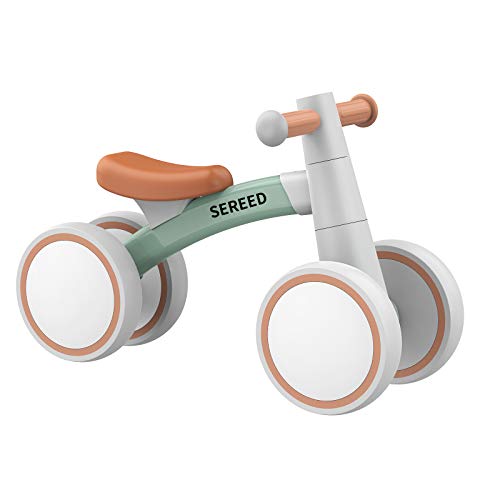
The SEREED balance bike is a pedal-free option designed for 12–24 months, prioritizing balance, steering, and coordination. Its fully widened wheel design and gravity-assisted steering help prevent tipping while encouraging safe movement indoors or outdoors. The aluminum frame and non-slip wheels provide durability and stability for early walkers transitioning into riders. This toy supports gross motor development, confidence, and spatial awareness as toddlers learn to balance and maneuver with minimal adult assistance.
Kikidex Magnetic Drawing Board

The Kikidex magnetic drawing board offers a budget-friendly way to foster early art and literacy skills. It supports visual perception, hand-eye coordination, color recognition, and imagination as toddlers explore drawing and writing without ink. The adjustable height and durable legs make it suitable for different play setups, from a small table to floor-based drawing. This toy serves as a versatile tool for creative expression, ready to accompany a child through multiple stages of early learning.
Tonberless Montessori Puzzles And Shape Sorter

Tonberless offers wooden Montessori-inspired learning toys designed for 1–3 year olds, featuring a shape sorter with coordinated pieces and smooth, safe edges. This set includes 20 pieces across five colors and five shapes, fostering shape recognition, color sorting, and problem-solving through hands-on play. The water-based paints and non-toxic finishes emphasize safety and durability for daily use. The simple yet engaging design supports independent exploration while encouraging caregiver-guided activities to extend learning outcomes.
Buying Guide: Key Purchase Considerations
When selecting toys for 2-year-olds, consider safety, developmental alignment, and ease of use. Look for chunky, easy-to-grip parts, rounded edges, and non-toxic finishes. Prioritize toys that promote fine motor skills, balance, early literacy, and social interaction. Durability matters for toddler use; solid wood and quality plastics with reinforced joints tend to endure the rough handling common at this age. A mix of open-ended and structured activities helps sustain attention and provides opportunities for guided learning, whether at home or on the go. Finally, consider whether the toy supports single-child play or cooperative activities with caregivers or siblings.
Durability and materials: Wooden toys with water-based paints and smooth finishes are generally safer for toddlers. Avoid small parts that could pose choking hazards for younger siblings still teething on or mouthing objects. Age guidance on packaging should be interpreted in light of your child’s development—some two-year-olds are ready for more complex tasks, while others benefit from simpler activities.
Learning outcomes: Choose items that match milestone goals, such as vocabulary expansion, color and shape recognition, and early numeracy. Interactive sound books, magnetic fishing games, and dress-up dolls support language development, fine motor skills, and practical life skills. Consider whether you value screen-free options, assembly-free play, and portability for travel or daycare use.
Caregiver engagement: Toys that invite adult interaction—shared reading, guided fishing, or collaborative dress-up—often yield richer learning experiences. Look for products with simple instructions or intuitive play patterns that adults can model and extend. For families with multiple children, select items that can be used by different age ranges with minimal adjustments.
Price and value: While budgets vary, prioritizing a few high-quality, durable toys often provides better long-term value than many cheaper, less durable options. Consider a mix of quiet activities (story books, drawing boards) and active play (balance bikes, physical sorting toys) to balance energy expenditure and focus throughout the day.