Building strong hand muscles early supports handwriting, dressing, and many daily tasks. The following hand strengthening toys for toddlers focus on grasping, pinching, and in-hand manipulation while keeping play engaging. Each picks targets dexterity, endurance, and finger control with safe, toddler-friendly designs.
Product Summary
| Product | Brand | Key Benefit |
|---|---|---|
| Hand2Mind Grab That Monster Fine Motor Activity Set | hand2mind | One-handed grasping, color sorting, and extended dexterity games |
| Helping Hands Fine Motor Tool Set | Learning Resources | Tools for precise pincer grasp and scissor skills |
| Noodle Knockout Fine Motor Game | Learning Resources | Chopstick precision and hand–eye coordination |
| Primary Lacing Beads | Melissa & Doug | Bead threading builds pincer strength and coordination |
| Play Putty With Charms | INNER-ACTIVE | Versatile kneading and stretching for intrinsic finger strength |
Monster-Themed Fine Motor Fun for Toddlers

The Hand2Mind Grab That Monster set is designed to strengthen finger muscles through one-handed opening and closing movements with large Monster Grabbers. Children manipulate Mini Monsters to practice grasping, releasing, and fine motor control. The color-sorting component adds structured play that reinforces color recognition and basic positional terms, supporting cognitive development alongside motor skills.
Key features support progressive dexterity: single-hand grab actions, color-based sorting games, and differentiated grabber designs that emphasize extension or grasping motions. This combination targets essential hand muscles used for early writing, tying, and buttoning. The setup encourages short-rooted, engaging play sessions suitable for toddlers, with opportunities to add variations as skills advance.
Versatile Fine Motor Tools For Early Dexterity
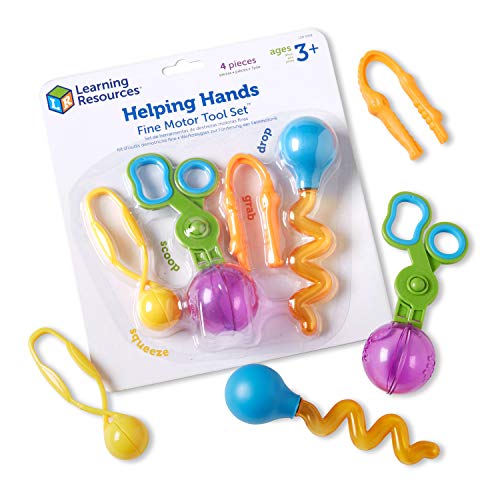
The Learning Resources Helping Hands set offers four tools designed to build precise finger movements essential for writing and self-care tasks. From tweezers to scoops, the tools encourage a controlled pinch and release, forming the strong grip needed for pencils and scissors. The tools are suitable for sensory bin activities, water play, and other exploratory setups that promote exploration while strengthening the small muscles of the hand.
Parents and educators can integrate these tools into daily routines, using simple tasks like picking up beads or transferring objects to reinforce motor goals. The variety supports varied hand positions and grip types, helping children master fine motor control through engaging, non-pressured play experiences.
Noodle Knockout: Fine Motor Challenge

With Noodle Knockout, children strengthen dexterity by using chopsticks to snag wiggly noodles and toppings. The activity encourages precision hand movements, improving pinching and in-hand manipulation as kids manipulate small pieces. Flexible play variations make it adaptable for different group sizes and ages, while maintaining a focus on developing core hand muscles used in writing and daily tasks.
Three game variations grow with children from ages 4+ and can be guided by adults for younger siblings, providing a scalable approach to motor skill development. The soft, tactile noodles offer sensory feedback that enhances engagement and motivation during practice sessions.
Beads That Build Hand Coordination

Melissa & Doug Primary Lacing Beads deliver a classic manual dexterity activity. The set includes 30 wooden beads, two laces, and a portable storage case, making it ideal for crafts and quiet play. Threading beads challenges fine motor precision, enhances hand-eye coordination, and supports early sequencing skills. Bright colors and varying bead shapes invite creative exploration while building a solid motor foundation for future schooling tasks.
Therapy Putty With Charms For Tactile Play
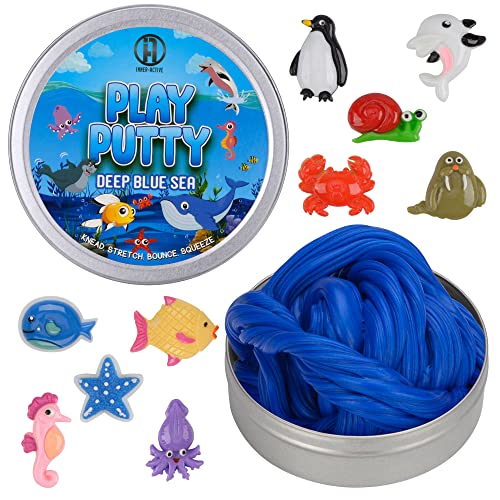
INNER-ACTIVE Play Putty combines tactile input with finger-strength building. The set includes 3.5 ounces of silicone putty plus ten hand-painted charms, offering a sensory-rich way to knead, squeeze, tear, and stretch. Non-toxic and latex-free, the putty supports repeated manipulation that enhances intrinsic finger strength and in-hand manipulation skills. The accompanying charms add an element of discovery, encouraging exploration without sacrificing motor development goals.
Buying Guide: Key Purchase Considerations
- Skill focus: Match the toy to target skills—pinching, grasping, in-hand manipulation, or hand–eye coordination. For early writers, tools like tweezers and beads can be especially beneficial.
- Age appropriateness: Ensure the complexity suits toddlers; avoid pieces that are too small or pose choking risks. Look for age recommendations on packaging.
- Safety and materials: Choose non-toxic, BPA-free, and latex-free options. Soft, grippy textures reduce frustration while maximizing safe handling.
- Durability: Toddlers may be rough with toys. Durable plastics, wooden beads, and sturdy putty resist wear and tear and provide longer play value.
- Versatility: Toys that support multiple activities or progressive skill levels offer better long-term value and can adapt as a child grows.
- Engagement: Colorful designs, appealing themes, and sensory elements (soft textures, beads, or water-based play) sustain interest and encourage repeated practice.
- Portability: For travel or quiet corners, compact sets like beads or putty with small storage containers are ideal.
- Guided use: Consider toys that include simple instructions or play ideas to help caregivers scaffold learning without pressure.
These selections emphasize fundamental fine motor development in toddlers. When integrating any new toy into a routine, aim for short, frequent sessions to avoid fatigue and to reinforce consistent practice. Combining several options across a week—such as bead threading, tweezers in a sensory bin, and putty exercises—can provide a well-rounded approach to building stronger hands and better coordination.