Choosing the right learning bike or training aid helps children gain confidence, balance, and coordination while fostering a love of riding. This guide reviews five trusted options designed to support kids as they transition from training wheels or push bars to confident cycling. Each entry highlights structure, safety features, and suitability for different ages and bike types, helping caregivers pick solutions that fit their child’s size and skill level.
Product Snapshot Table
- Rolitwils Upgrade Bike Training Handle – Extended 27″-33″ (4-Level Height Settings) – Rolitwils
- MOLI DEE Children Cycling Bike Safety Trainer Handle – a-Black – MOLI DEE
- RoyalBaby Freestyle Toddlers Bike 12″ – Training Wheels Included – RoyalBaby
- Jevuoyee Bike Training Handle – Adjustable 22″-29″ – Jevuoyee
- KRIDDO Toddler Balance Bike 12″ – 24 Months to 5 Years – KRIDDO
Rolitwils Upgrade Bike Training Handle

The Rolitwils bike trainer is built to support both kids and parents during early riding sessions. Its four-position height adjustment (27.5″, 31″, 33″, 35″) accommodates children and adults of varied statures, ensuring a comfortable teaching posture. A sturdy steel frame and reinforced welds contribute to durability, while the anti-slip grips offer secure handling during practice. The quick-release clamp makes it straightforward to attach to seat posts with a diameter of 25–32 mm and is suited for bikes with wheel sizes between 12 and 20 inches. With a tested load limit around 110 pounds, this trainer emphasizes safety and longevity as kids learn to ride.
Key considerations:
- Suitable for teaching kids from approximately ages 2–8, depending on bike size.
- Adjustable to fit different adult helper heights for ergonomic coaching.
- Solid construction with reliable grip comfort to reduce fatigue during sessions.
- Broad compatibility with common children’s bikes via a quick-release clamp.
MOLI DEE Children Cycling Bike Safety Trainer Handle

The MOLI DEE trainer handle provides a straightforward solution for teaching balance and pedaling. It emphasizes ease of use and safety as kids transition away from training wheels. The design notes highlight a universal clamp, enabling setup on most children’s bicycles, and a focus on intuitive handling so parents can guide rides with confidence. This option is especially appealing for families seeking a simple, reliable training aid that complements a child’s growing independence.
Key considerations:
- Universal clamp compatibility with widely used seat posts.
- Simple, user-friendly design to minimize setup time.
- Balanced emphasis on safety and teaching effectiveness.
- Best for bikes that align with the clamp system’s diameter range.
RoyalBaby Freestyle 12″ Learning Bicycle

The RoyalBaby Freestyle 12″ is a full beginner bike designed with youth riding in mind. Its learning-focused design includes adjustable components that grow with the child, plus training wheels to help build balance and confidence. The bike’s patent-sealed bearings offer smooth pedaling, while the sturdy steel frame and wide tires provide stability on a variety of surfaces. The BPA-free water bottle accessory adds a playful element to rides and can help encourage hydration on longer sessions, such as weekend family outings.
Key considerations:
- Beginner-friendly geometry to help new riders start with confidence.
- Adjustability to accommodate growth over multiple seasons.
- Training wheels as a transitional aid for balance and pedaling practice.
- Durable construction suitable for daily practice and outdoor use.
Jevuoyee Bike Training Handle

The Jevuoyee training handle focuses on adjustable height and reliability for families with varying rider and parent heights. The unit is designed to fit 22″–29″ bike setups, enabling a smoother teaching posture for adults while children benefit from stable guidance. It notes compatibility with V-brake bicycles and emphasizes a durable alloy build to withstand regular use. This option is well-suited for households that want a mid-range training aid with flexible height settings and solid construction.
Key considerations:
- Height-adjustment range to accommodate different teaching heights.
- Alloy construction for durability and resistance to wear.
- Note on brake type: supports V-brake bicycles; not compatible with some disc-brake designs.
- Easy clamp integration with compatible seat posts.
KRIDDO Toddler Balance Bike 12″ – 24 Months to 5 Years
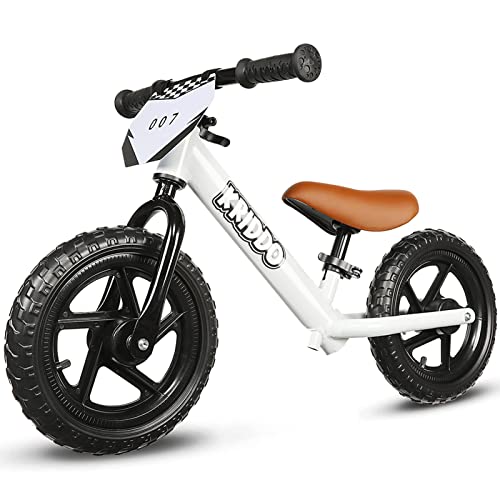
The KRIDDO balance bike introduces early riding concepts through a simple push-and-balance experience. Designed for ages 2 to 5, it features a sturdy carbon-steel frame, a wide wheelbase, and a low seat height to aid balance and confidence. A removable customizable plate allows kids to personalize their bike with stickers, enhancing engagement. The included safety-focused details, such as soft grips and a comfortable PU seat, contribute to a calm learning environment as children learn to push off and balance without pedals.
Key considerations:
- Age range suitable for the early learning phase of riding.
- Removable plate customization to boost engagement and ownership.
- Durable frame and comfortable components to support steady practice.
- Balance-first design helps transition to pedal bikes more smoothly.
Buying Guide: Key Purchase Considerations
Choosing the right learning bike or training aid involves balancing safety, growth potential, and ease of use. Consider the following perspectives to tailor selections to your child’s needs:
- Age and size alignment: Ensure the device or bike fits your child’s height and leg length. Taller adults or siblings can influence larger adjustment ranges, but the child’s own reach and comfort must come first.
- Training progression: Some options emphasize balance-first learning, while others pair balance with structured pedaling support. Decide whether you want a gradual transition (balance to pedals) or a more independent ride from the start.
- Durability and materials: Steel framing typically offers long-term durability for active kids, though aluminum and alloy components can reduce weight for easier handling by caregivers during setup and breaks.
- Compatibility: Check clamp diameters and wheel sizes for bike compatibility. Some products only fit specific post diameters or brake types (V-brake vs. disc brake).
- Safety features: Look for anti-slip grips, secure clamps, stable bases, and load ratings that meet or exceed expected usage. A stable trainer minimizes wobble during early sessions.
- Growth potential: If you anticipate multiple seasons of use, select equipment with adjustable height ranges and scalable features to maximize value.
- Maintenance needs: Consider ease of cleaning, simple part replacements, and the availability of spare parts to reduce downtime between sessions.
- Travel and storage: Folding or compact designs can be beneficial for households with limited space or travel plans.
In selecting five options, this guide prioritizes balance between teaching effectiveness, ergonomic comfort for adults, and durable construction suitable for daily use. The combination of a trainer handle and balance bikes offers a cohesive path from assisted rides to independent cycling, enabling children to develop essential motor skills—such as balance, steering, and pedal control—at a comfortable pace.