In today’s classrooms, inclusive play matters. Multicultural toys help children see themselves represented and learn about others through everyday interactions, storytelling, and imaginative play. This article highlights five well-suited options that support social-emotional development, language growth, and cultural awareness while remaining durable for classroom use. Each product includes a quick look at why it fits diverse learning goals, plus practical considerations for selecting the right set for your group.
| Product | Brand | Key Benefit |
|---|---|---|
| Snuggle Stuffs Basket of Buddies Plush Diversity Multicultural Ethnic Dolls | Snuggle Stuffs | Soft, huggable dolls promote nurturing play and diversity awareness |
| Blosssound 30 Pcs Wooden Community Helpers Toys Multicultural Career | Blosssound | Wooden figures support role-play and vocabulary about jobs |
| Constructive Playthings 10 Inch Huggable Multi-Cultural Baby Dolls | Constructive Playthings | Baby dolls for caregiving and social-emotional learning |
| Get Ready Kids 620 Multicultural Career Figures Set | Get Ready Kids | Chunky figures for diverse careers and collaborative play |
| Making Believe Diversity Buddies Multicultural Plush Dolls | Making Believe | Soft plush dolls for inclusive storytelling and empathy |
These selections span plush dolls, wooden figures, and soft to sturdy play props. They’re designed for classroom use, daycare settings, and home-school learning. Let’s explore each option and how it supports inclusive education through play.
Snuggle Stuffs Basket Of Buddies Plush Diversity Dolls
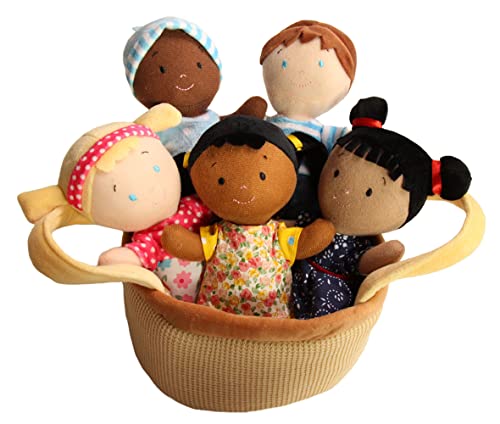
The Snuggle Stuffs set introduces children to diversity through soft, huggable dolls wearing colorful outfits. Each doll features a friendly embroidered smile, designed to invite gentle role play and inclusive conversations. The plush nature makes these dolls approachable for toddlers and preschoolers, supporting early language development and emotional recognition as students describe feelings, preferences, and similarities or differences among peers. The emphasis on care and friendship aligns with social-emotional learning goals in early education.
In classroom use, these dolls
– Encourage nurturing behaviors and caregiving play
– Provide visual cues for discussing identity, family, and community
– Support language practice as students name clothing, colors, and activities
– Serve as comforting props during group readings or circle time
Key considerations: softness, durability, and ease of cleaning matter for shared spaces. The set’s size and variety support small-group play and rotation, helping educators balance inclusive representation with practical classroom management.
Blosssound 30 Pcs Wooden Community Helpers

Wooden figures representing diverse community workers offer a tangible way to explore roles and responsibilities. The durable wood construction promotes longer play cycles and easier cleanup in a classroom environment. With a recommended small-hand-friendly scale, children can grab figures easily, fostering fine motor skills and hand-eye coordination during pretend play. Safety-conscious design with smooth edges helps minimize accidents in busy centers where children collaborate on stories about doctors, teachers, firefighters, and other professionals.
Practical use tips:
– Create themed centers (hospital, city, firehouse) to spark storytelling and collaboration
– Integrate vocabulary practice around occupations, tools, and places
– Pair figures with question prompts to guide discussions about working together and helping others
Educational benefits extend to social understanding: students observe the variety of roles people play in communities, reinforcing respect for different jobs and cultures while reinforcing cooperation and communication skills.
Constructive Playthings 10 Inch Huggable Multi-Cultural Baby Dolls

These multi-ethnic baby dolls with chunky bodies invite caregiving play, a natural outlet for nurturing behavior among young learners. Included with diapers, the dolls support realistic routines like feeding, changing, and tucking in for bedtime. This fosters empathy and routines-based learning, while also enabling conversations about family structures and cultural naming practices during circle time or dramatic play centers.
Key classroom advantages:
– Encourages role play that mirrors daily family life
– Supports language development as children describe actions and emotions
– Reinforces social-emotional learning by modeling care, tenderness, and patience
Consider pairing these dolls with books, dolls’ clothing, or simple caregiving props to enrich storytelling and scale language opportunities for mixed-ability groups.
Get Ready Kids 620 Multicultural Career Figures

This set offers a broad spectrum of professions, from doctors to firefighters and beyond, with chunky, kid-friendly figures designed for easy grasping. The collection supports large-scale group play as children enact scenarios about community service, shared responsibilities, and teamwork. The durable construction stands up to frequent classroom use, making it suitable for centers, small groups, and guided instruction.
Educational value includes:
– Language-rich role-play prompts about professions, tools, and safety
– Opportunities for storytelling about communities and geography
– Social-emotional growth through collaboration, negotiation, and inclusive dialogue
Suggested activities:
– Rotate figures among groups to encourage equal participation
– Use an accompanying map or city card to discuss where each job belongs
– Create mini-news reports where students describe what their character does for the neighborhood
Making Believe Diversity Buddies – Multicultural Plush Dolls

The Diversity Buddies plush set features soft, huggable dolls with embroidered smiles and varied appearances. Designed for daycare and home learning, these 8-inch dolls provide a gentle entry point for conversations about friendships, differences, and shared humanity. The plush texture invites comforting, inclusive play that can help anxious or shy learners engage with peers and participate in group storytelling or circle-time discussions about empathy and inclusion.
Use cases include:
– Narrative prompts about daily life in school, neighborhoods, or family settings
– Expressive language practice as children articulate emotions and reactions
– Promoting peer acceptance and celebration of differences through shared stories
Buying Guide: Key Purchase Considerations And Comparisons
When selecting multicultural toys for classrooms, consider how each product supports pedagogy and safety in practical terms. The following factors help educators compare options and choose the best fit for their group:
- Age appropriateness and durability: Preschool groups benefit from soft plush or chunky figures; older preschoolers may enjoy smaller, more detailed pieces or wooden figures for precision play.
- Representation scope: A balanced mix of ethnicities, family structures, professions, and everyday roles broadens conversations about diversity without stereotyping.
- Material safety and care: Machine-washable plush items simplify maintenance; wooden or hard plastic figures require smooth finishes and safe edges for younger children.
- Play value vs. learning goals: Plush toys support nurturing storytelling and social-emotional learning; wooden figures encourage vocabulary expansion, role-play, and collaboration.
- Group dynamics and classroom setup: Consider sets that scale from small centers to larger group activities, with items easily shared among several small groups.
- Storage and organization: Clear bins and labeled centers help students access items independently, reinforcing classroom routines around inclusion and equity.
In sum, a well-chosen mix of multicultural toys can help students recognize diversity, practice empathy, and build language and social skills. The five products above provide a spectrum of materials—from plush to wooden—that support inclusive learning environments without sacrificing durability or classroom practicality. When integrating these tools, align activities with literacy, SEL skills, and cross-cultural awareness to maximize impact across varied classroom contexts.