Finding the right first ride-on bike for a 12 to 24 month old can support early walking, balance, and confidence. This guide reviews top 5 options designed for safety, stability, and indoor/outdoor use. Each pick prioritizes pedal-free design, low centers of gravity, and age-appropriate height or seat adjustments to help toddlers progress at their own pace.
| Product | Brand | Age Range | Key Feature |
|---|---|---|---|
| SEREED Baby Balance Bike for 1-2 Year Olds | SEREED | 12-24 months | 4 wheels, gravity steering, 135° turning limit |
| Umatoll Colorful Lighting Balance Bike | Umatoll | 12-24 months | Glowing rear wheels without batteries |
| SEREED Baby Balance Bike (2) | SEREED | 12-24 months | Sturdy aluminum frame, non-slip wheels |
| BEKILOLE Baby Balance Bike | BEKILOLE | 12-24 months | ASTM F963 safety certified, low center of gravity |
| Retrospec Cricket Baby Walker Balance Bike | Retrospec | 12-24 months | Scratch-resistant wheels, beginner-friendly design |
Each option below highlights how its design supports early mobility, balance, steering, and confidence-building in very young riders. Consider your child’s comfort with seats, grips, and the potential for indoor testing before venturing outdoors.
SEREED Baby Balance Bike For 1-2 Year Olds
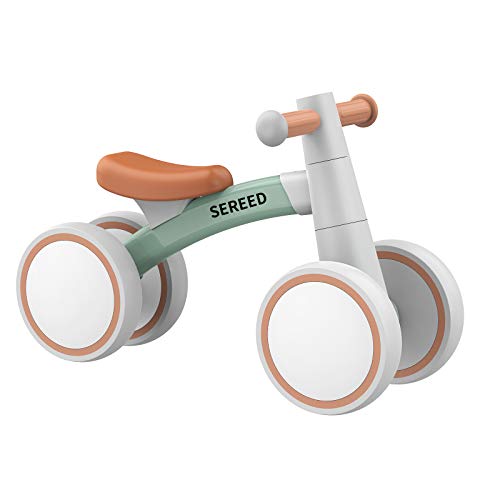
The SEREED balance bike is designed for little ones aged 12 to 24 months, emphasizing safety and foundational mobility. Its four-wheel design stabilizes early riding, while the absence of pedals helps children learn balance and steering with a natural, confident motion. The aluminum frame provides durability without excessive weight, and the soft seat adds comfort during longer sessions. A 135° turning limit and gravity steering help prevent tip-overs, and the fully enclosed wheels protect tiny feet from contact with moving parts. This model supports indoor and outdoor practice as toddlers explore new routes and surfaces.
Umatoll Colorful Lighting Balance Bike

This model adds visual appeal with glow-in-the-dark rear wheels that light up when spun, attracting a toddler’s attention without the need for batteries. The 12- to 24-month age range aligns with early walkers who are ready to experiment with balance. Safety features include a 135° steering limiter, enclosed wheels to prevent toe clamping, and a robust TPU handle for a secure grip. The seat is adjustable in three positions, accommodating quick growth spurts and helping children ride comfortably as they gain confidence and balance.
SEREED Baby Balance Bike For 1 Year Old Boys/Girls (2)

This second SEREED balance bike repeats the core design philosophy: pedal-free operation, four-wheel stability, and reliability for early walkers. It emphasizes a sturdy aluminum frame, non-slip TPU handles, and a softly cushioned seat to maximize comfort during playtime. The bike’s enclosed wheels prevent finger or toe pinching, and the 135° turning limit with gravity steering supports safe exploration, both indoors and outdoors. Ideal for households seeking a dependable option that grows with a child’s emerging balance and coordination skills.
BEKILOLE Baby Balance Bike

The BEKILOLE model emphasizes safety certification and a low center of gravity to facilitate balance for toddlers. Constructed with a carbon steel bike body, it features a wide wheelbase and enclosed wheels to minimize toe or finger injuries. A 135° steering limiter reduces the likelihood of tipping during sharp turns, making it suitable for both indoor and outdoor play. The soft EVA handles and cushioned seat contribute to a comfortable riding experience, while the silent wheels help protect floors in homes and playrooms.
Retrospec Cricket Balance Bike
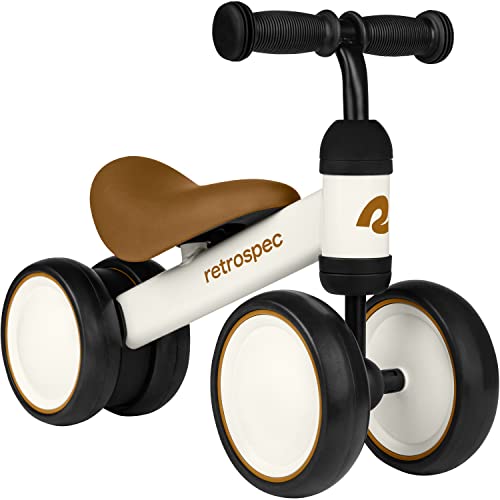
Designed as a beginner-friendly option for ages 12 to 24 months, the Retrospec Cricket focuses on safe, grounded riding. Its four-wheel setup keeps feet firmly on the ground, allowing toddlers to control speed and practice balance and coordination. The bike uses scratch-resistant wheels to prevent floor damage during indoor use, while the sturdy construction supports early motor skills development. The design encourages confident exploration as children learn to steer and brake in a controlled manner.
Buying Guide: Key Purchase Considerations
Choosing the right ride-on bike for a 1-year-old involves balancing safety, growth potential, and ease of use. The following considerations help compare options across brands and models:
- Safety certifications and standards: Look for ASTM or equivalent safety certifications and features like enclosed wheels, a wide base, and a low center of gravity to minimize tipping and foot injuries.
- Wheel design and material: Four-wheel, pedal-free designs reduce the risk of pinching and provide stability. Non-slip tires and floor-friendly wheels are important for indoor use.
- Age suitability and adjustability: Confirm the recommended age range (typically 12-24 months) and whether seats are adjustable to accommodate growth and comfort.
- Weight and portability: Lighter frames are easier for caregivers to maneuver, but should still be sturdy enough to support active toddlers.
- Indoor vs. outdoor use: Consider models with smooth wheels and soft seats for stair-free apartments, and those with robust frames for outdoor surfaces.
- Grip and seating comfort: Soft, non-slip handles and cushioned seats improve comfort during longer play sessions and help maintain proper posture.
- Visual appeal and engagement: Colorful lighting or bright designs can attract interest and encourage active participation, promoting balance practice.
- Maintenance needs: Simple assembly, accessible components, and durable materials minimize upkeep and downtime between uses.
- Future progression: Some models offer adjustments or transitions to small balance bikes, enabling continued use as a child grows and gains balance skills.
When evaluating options, compare how each bike supports safe movement, gradual skill development, and ongoing use as a child advances from standing to balanced riding. Prioritize designs that keep little feet safely on the ground, offer predictable steering, and provide a comfortable, adjustable experience for growing toddlers.