Exploring wind power helps kids learn about renewable energy, engineering, and real-world science. This guide highlights kid-friendly wind turbine kits that encourage hands-on experimentation, outdoor and indoor play, and safe, constructive exploration. Each option is designed for ages 8 and up, with simple assembly, durable parts, and clear learning outcomes. The selections emphasize independent discovery, teamwork, and problem-solving as children build, test, and observe how wind turns blades into usable power.
| Product | Brand | Key Focus |
|---|---|---|
| Thames & Kosmos Wind Power V5.0 STEM Experiment Kit | Thames & Kosmos | Updated turbine with indoor/outdoor use |
| Thames & Kosmos Wind Power V4.0 STEM Experiment Kit | Thames & Kosmos | 3-ft turbine to generate electricity |
| Rinnland Windmill Model | Rinnland | Large wind-up turbine with turning blades |
| Miracland Wind Turbine Toy | Miracland | Wind-up turbine with realistic motion |
| 7-in-1 STEM Kits and STEM Toys for Kids | MyrzNFX | Multiple projects including wind turbine |
Thames & Kosmos Wind Power V5.0 Review Kit

The V5.0 version updates a popular wind power STEM kit with a 3-foot-tall model turbine designed for both indoor and outdoor play. The redesigned blade hub and gear ratio aim to improve performance under varied wind conditions and with indoor fans. Children learn core concepts about turbine technology, gear systems, and how wind energy is converted into usable power. The kit emphasizes hands-on construction, experimentation, and exploration of renewable energy applications across different environments.
Thames & Kosmos Wind Power V4.0 STEM Kit
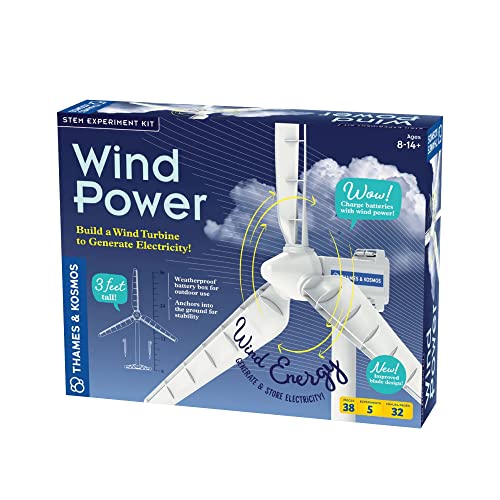
This 3-foot wind turbine kit demonstrates how wind converts kinetic energy into usable electricity. It features a single-piece blade construction for improved durability and aerodynamic efficiency. Students can generate electricity to charge a battery or power a small model car, reinforcing concepts like voltage, current, and energy storage. The kit is designed for outdoor weather exposure while remaining sturdy for classroom demonstrations or home projects.
Rinnland Windmill Model

The Rinnland windmill is a large-scale wind turbine model built to resemble a real wind turbine. Its blades can turn, offering a tactile understanding of wind-driven motion. With an impressive height of about 21.65 inches, this model provides a visible demonstration for science displays and classroom activities. The wind-up design adds a kinetic element that engages kids as they manually wind and observe the turbine’s mechanism in action.
Miracland Wind Turbine Toy

The Miracland wind turbine toy uses a wind-up mechanism to spin the blades without batteries. When wound, the turbine activates and turns similar to a real wind turbine, offering an engaging, low-tech way to explore renewable energy. The design is modular, allowing disassembly and reassembly for continued practice in measurement, hand-eye coordination, and mechanical understanding of how turbines convert wind energy into motion and power.
7-In-1 STEM Kits And Toys (Wind Turbine Included)

This 7-in-1 kit covers a range of projects, including a wind turbine, solar car, and various motors and gear systems. It’s designed for ages 8-14, offering step-by-step 3D tutorials and clearly labeled parts for beginner builders. The versatility lets kids switch between solar and motor power, encouraging experimentation with energy sources and machine design while emphasizing safe, supervised assembly and repeated model-building for skill growth.
4M Green Science Windmill Generator Kit
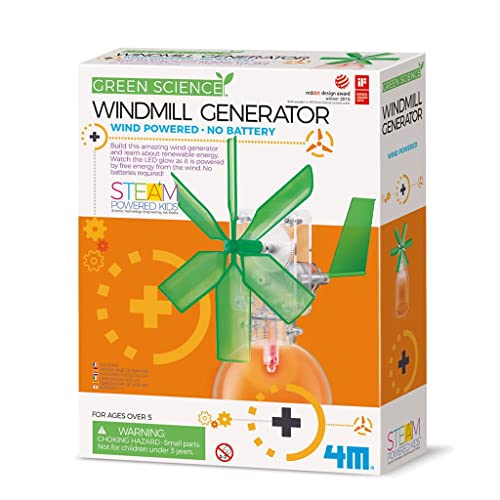
The 4M Windmill Generator Kit uses wind to power an LED, introducing basic renewable energy concepts. The kit provides all materials to build a 5-inch windmill generator and suggests using a recycled soda bottle to complete the circuit. An included pamphlet shares fun facts about renewable energy, offering a simple, hands-on way to connect science with everyday sustainability practices.
Thames & Kosmos WindBots 6-in-1

The WindBots kit lets kids build six wind-powered bots and a handheld wind generator. It explores wind technology, gear ratios, and basic robotics concepts without batteries or external power. The included models—Surf Bot, Walker Bot, Drill Dozer, Quadruped, Flying Machine, and Big Wheel Tricycle—provide varied challenges, encouraging experimentation with mechanical design and wind-powered motion through a comprehensive, illustrated manual.
Sntieecr Mini Generator Motors Set
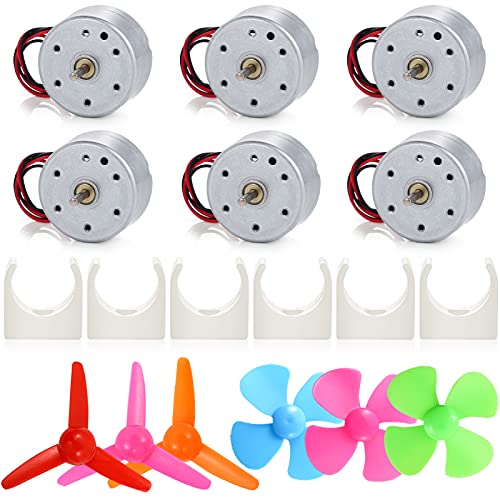
The Sntieecr mini generator motors set provides multiple small DC motors and propellers for hands-on experiments in energy conversion. With different voltages and speeds, the kit demonstrates how kinetic energy from wind translates into electrical energy. It’s a compact, modular option for classroom demos, science fairs, or home projects, emphasizing practical experimentation with motor behavior, voltage, and RPM relationships.
Buying Guide: Wind Turbine Kits For Kids
Key considerations when choosing a wind turbine kit for kids include age appropriateness, safety, and learning outcomes. Look for:
– Build complexity aligned with the child’s age and experience level.
– Clear, step-by-step instructions and color-coding to reduce confusion.
– Durable materials and components that withstand repeated assembly and windy outdoor use.
– Hands-on experiments that cover core concepts such as blade design, gear ratios, torque, and power generation.
– Indoor and outdoor usability to maximize learning opportunities in different environments.
– Additional educational resources, such as lesson guides or 3D tutorials, to support structured learning.
When evaluating multiple kits, consider the following perspectives:
– Educational depth: Does the kit explain why wind power works and how different designs affect efficiency?
– Engagement: Do activities encourage experimentation, hypothesis testing, and iterative redesign?
– Practical skills: Are the projects suitable for independent work or small groups, with safe handling of tools and parts?
– Longevity: Will the kit remain useful after the initial assembly, offering new experiments or upgrades?
– Real-world relevance: Does the kit connect wind energy to current environmental and energy trends, including applications beyond experimentation?