Choosing the right keyboard piano for kids combines safety, learnability, and fun. This guide highlights five beginner-friendly options that blend educational features with engaging play. Each option supports early music skills, helps kids develop rhythm, and fits small hands while staying budget-conscious. Read on to compare key counts, built-in lessons, power options, and interactive extras that make practice feel like play.
Selected Products Overview
- RockJam 49 Key Keyboard Piano with Sheet Music Stand, Note Stickers and Simply Piano Lessons
- BIGFUN Kid Keyboard Piano, 37 Keys, Purple
- BIGFUN Kid Keyboard Piano, 37 Keys, Blue
- WOSTOO Kids Keyboard Piano, 61 Keys, Pink
- Donner 61 Key Keyboard Piano, DEK-610S Kit with Stand and Accessories
RockJam 49 Key Keyboard Piano With Lessons
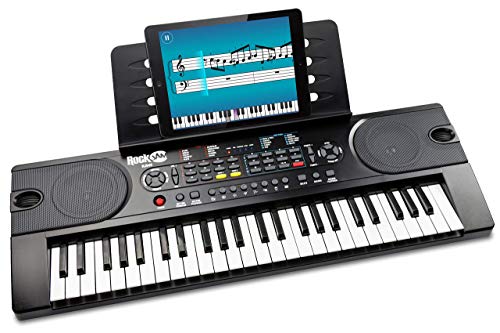
The RockJam 49 Key Keyboard Piano combines compact size with a comprehensive learning setup. It features 49 full-sized keys, a sheet music stand, and piano note stickers to help kids locate notes quickly. Included Simply Piano lessons guide beginners through step-by-step exercises, supporting progressive skill-building in a structured way. The reliable power supply keeps sessions consistent, making this model a solid entry point for aspiring young performers.
BIGFUN Kid Keyboard Piano, 37 Keys, Purple
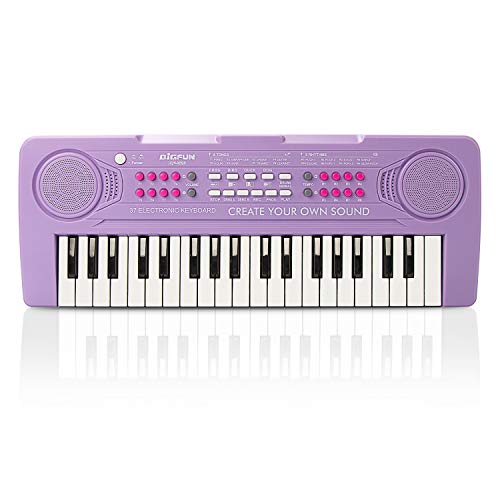
BIGFUN’s 37-key toddler keyboard emphasizes portability and safety for young players. It includes multiple functions such as piano mode, dual speakers, ensemble mode, and recording playback. A USB power option adds flexibility for home use, classrooms, or travel. The design and materials are geared toward little hands, with simplified controls suitable for beginners and early-stage learners.
BIGFUN Kid Keyboard Piano, 37 Keys, Blue

This blue variant mirrors the purple model’s approachable features, offering 37 keys, dual speakers, and an array of rhythms and tones. It supports beginner practice with simple playback and a few built-in demos. USB power compatibility adds convenience for family use, allowing charging from standard power sources in multiple environments.
WOSTOO Kids Keyboard Piano, 61 Keys, Pink

The WOSTOO 61-key model expands range and expression for growing players. It provides a versatile learning platform with 61 keys, multiple tones and rhythms, and a detachable microphone for singing along. A built-in rechargeable option and USB power enable longer practice sessions without frequent battery changes, making it well-suited for kids who want more musical texture as they progress.
Donner 61 Key Keyboard Piano Kit

The Donner DEK-610S kit offers a complete beginner setup in one purchase: 61 keys, an adjustable stand, a bench, a sheet music stand, a microphone, and a power adapter. With 249 voices, 249 rhythms, 50 demo songs, and teaching functions, this package supports broad exploration and structured lessons. The LCD display helps beginners navigate functions and settings as they learn.
Buying Guide: Key Purchase Considerations for Kids’ Keyboard Pianos
- Key count and feel: Start with 37–49 keys for toddlers and beginners; 61 keys suit kids ready for broader ranges. Consider weighted vs. semi-weighted keys if realism is a goal, but most kids do fine with light action.
- Learning features: Look for built-in lessons, cute visuals, note stickers, and teaching modes. These can accelerate initial progress and keep practice engaging.
- Power options: USB-powered or AC adapters provide flexibility. Built-in rechargeable batteries are convenient for portable learning spaces.
- Audio output: Dual speakers and headphone jacks support solo practice and quiet sessions without disturbing others.
- Durability and safety: Smooth edges, sturdy stands, and non-toxic materials are important for younger players. Avoid overly complex controls that can frustrate beginners.
- Accessories: Stands, benches, microphones, and learning apps can add value. Kits that include teaching tools reduce the number of extra purchases needed.
- Portability and storage: Lightweight keyboards with foldable stands or compact footprints are ideal for small spaces and travel.
- Growth potential: A model offering expandable features or a path to more advanced modules can extend the device’s usefulness as your child improves.
- Safety and age guidance: Check recommended age ranges and ensure volumes can be controlled to protect young ears.
Across these options, families can balance early exposure with the potential for ongoing musical development. For kids who are curious about rhythm, melodies, and performance, the right keyboard provides a playful yet structured gateway into music education.