For autism-friendly bedroom setups, sensory night lights can provide soothing visuals, gentle sounds, and comforting textures that help with sleep, focus, and relaxation. This article highlights five carefully chosen options designed to calm, engage, and support children (and adults) who benefit from controlled lighting and multisensory experiences. Each product is evaluated by its features, ease of use, and potential to enhance bedtime routines and daily calm.
style=”display:none;”>Summary Table
| Product | Brand | Key Features | Link |
|---|---|---|---|
| Calming Sensory Lights | diatomiteco | Ocean waves, water ripple projections, USB powered | Amazon |
| Bright Autism Calming Sensory Sea Lamp | Bright Autism | 7 light modes, color-changing with music and nature sounds | Amazon |
| Sensory Fiber Optic Lamp | PEN&H | Color-changing fiber optics, battery powered | Amazon |
| One Fire Night Light | One Fire | 6 films, 78 projection options, rechargeable | Amazon |
| Night Light for Kids Night Light | PIKOY | 7 colors, 6 films, rotation, remote, timers | Amazon |
Calming Sensory Lights With Ocean Projections

The Calming Sensory Lights from diatomiteco offer an approachable entry into ocean-inspired visuals that many autistic children find soothing. The projector recreates sea waves and water ripple patterns on walls and ceilings, which can create a serene backdrop for reading, homework, or quiet play. USB-powered operation makes it easy to place near a nightstand or desk without cluttering outlets. This device is explicitly designed for autistic users, aiming to help with emotional regulation during intense moments by providing a predictable, gentle visual environment. It also supports establishing a calm bedtime routine by signaling relaxation through consistent light patterns.
Key considerations: ease of use, reliability of projection quality, and the degree to which wave patterns align with a child’s comfort level. For some households, a dedicated charging setup with a small USB hub can simplify placement. Parents should assess whether the depth of the projection and color options meet their child’s sensory thresholds, and consider pairing this light with other calming routines such as soft music or breathing exercises.
Bright Autism Calming Sensory Sea Lamp

This Sea Lamp combines seven lighting modes with color-changing LEDs and built-in nature sounds to create a multisensory environment. The soothing light patterns, complemented by gentle audio, can help regulate sleep routines and reduce nighttime anxiety for children who respond to both visual and auditory stimuli. The combination of visuals and sounds is designed to help calm the mind, making it easier to transition to sleep or unwind after daytime stress. It also supports focusing on tasks by providing a stable, softly illuminated focal point during reading or quiet activities.
Usage tips: start with a single mode and gradually explore additional options as comfort grows. When integrating with sleep routines, consider pairing the lamp with a short ritual such as a warm bath or dimmed lights at a consistent bedtime. As always, monitor your child’s reaction to both light and sound, adjusting volume and brightness to avoid overstimulation.
Sensory Fiber Optic Lamp (Battery Powered)
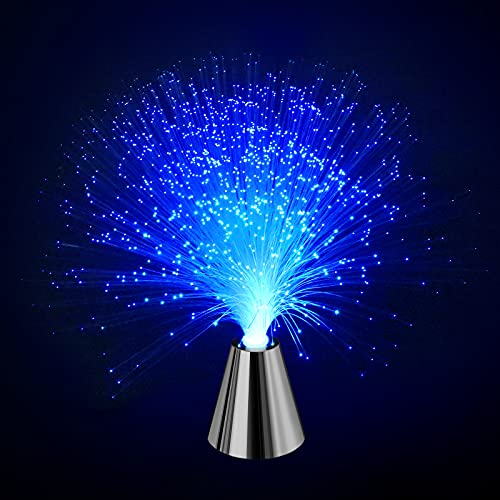
The Sensory Fiber Optic Lamp by PEN&H uses color-changing fiber optics to create a gentle, twinkling display without wires. Its battery-powered design makes it portable and easy to relocate for different rooms or travel. The absence of cords reduces clutter and tripping hazards, a practical benefit for bedrooms and play spaces. The 7-color palette can help in creating a soothing ambiance or used as a visual cue during soothing routines. For autistic children, the visual rhythm of changing colors can be engaging yet calming when used at a comfortable brightness level.
Considerations include battery life, weight, and the ease of replacing batteries. If lighting becomes too stimulating, switch to a single color or a slower transition. This option works well as a supplementary accent light alongside a primary night light.
One Fire Night Light With 6 Films and 78 Projections

The One Fire Night Light offers an impressive array of projection options—six films and 78 projection variations—delivering a versatile sensory experience. The star- and space-themed projections create a comforting ceiling environment that can help reduce night-time fears and encourage a sense of security. The device is rechargeable, enabling cordless use for up to several hours after a full charge, which is convenient for bedtime routines or sleepovers. Rotating the projection and adjusting brightness can help tailor the experience to a child’s preferences, reducing overstimulation.
Practical notes: start with one film to avoid overstimulation, then gradually introduce more options as the child becomes accustomed to the imagery. The USB-rechargeable design supports easy charging, and portability makes it suitable for different sleep spaces or travel.
PIKOY Night Light With Stars, Multiple Modes

The PIKOY night light provides a multifaceted sensory experience with seven color options, six films, rotation, a remote, and multiple auto-timer options. This makes it a flexible choice for varied routines and durations. The combination of visual effects (stars and planets) and remote control adds convenience for caregivers who want to adjust settings without interrupting a child’s quiet time. The brightness levels and color transitions can be customized to maintain a calm, predictable atmosphere that aligns with individual sensory needs.
Purchase considerations include ensuring the remote is easy to use for caregivers, and confirming that light levels remain comfortable for bedtime. For some children, a steady color or fewer transitions might be preferred, so it’s wise to try a slow, gentle setup first and adjust as needed.
Buying Guide: Key Purchase Considerations And Comparisons
- Light intensity and color options: For autistic children, overly bright or fast color changes can be overstimulating. Look for devices with adjustable brightness and a slow color-transition option. A steady, low-intensity blue or warm white mode is often calming.
- Sound and visuals balance: Some lights include nature sounds or music. If a child is sensitive to sound, choose devices with volume controls or one with minimal/no sound. Visual patterns should be predictable and gentle rather than chaotic.
- Portability and placement: Battery-powered or USB-powered options offer flexibility in placement. Consider room layout and potential tripping hazards; cordless designs are beneficial for travel or child-facing spaces.
- Ease of use and accessibility: Simple remote controls, voice prompts, or single-button operation help caregivers switch modes without disturbing a child’s routine. Check whether the product supports multiple users if siblings share a room.
- Durability and safety: Look for sturdy construction, non-toxic materials, and stable bases to minimize tipping. Ensure cords are out of the child’s reach and that the device complies with applicable safety standards.
- Therapeutic alignment: Some lights are designed for sensory therapy and can be integrated into routines with breathing exercises, tactile activities, or structured tasks. Consider whether the device fits into broader sensory programs or therapy sessions.
- Maintenance and battery life: Replacing batteries or recharging should be straightforward. Consider the trade-off between battery-powered portability and the need for frequent recharges.
- Longevity and updates: Choose products with positive reviews over time and a track record of reliability. Check for firmware updates or replacement parts if applicable.
In choosing the right sensory night light for an autistic child, balance the child’s individual sensory profile with practical home considerations. Start with a single, gentle option and introduce additions gradually to avoid sensory overload. When used as part of a broader bedtime routine—such as predictable timing, calming music, and a comfortable room temperature—the chosen light can contribute to more consistent sleep patterns and reduced anxiety over time.