Finding toys that support sensory, motor, and cognitive development for children with cerebral palsy can boost engagement, fine motor skills, and independence. This article highlights five carefully chosen toys that emphasize textured, visual, and cause-and-effect interactions while remaining approachable for a wide age range. Each product features sensory feedback, easy grasping options, and safe, durable designs suitable for daily play and therapy-inspired activities. Explore these options to support learning through play while considering individual needs and abilities.
| Product | Brand | Key Benefit | Age Range |
|---|---|---|---|
| Crayola Toddler Touch Lights Doodle Board | Crayola | Sensory colors and music for fine motor exploration | 2+ |
| EazyHold Universal Cuff (2-Pack) | EazyHold | Secure grip for daily activities and therapy aids | 3+ |
| Spike The Fine Motor Hedgehog | Learning Resources | Fine motor strengthening and hand-eye coordination | 18 months+ |
| ArtCreativity Light Up Sensory Car | ArtCreativity | Visual lighting, music, and movement for engagement | Toddler+ |
| Colors & Shapes Sensory Pad | hand2mind | Shape sorting and tactile exploration for calming focus | 3-5 |
Crayola Toddler Touch Lights Doodle Board

The Crayola Toddler Touch Lights Musical Doodle Board combines a self-contained gel surface with interactive light-up colors and built-in songs. With six songs and twelve light-up colors, toddlers can explore cause-and-effect actions while developing fine motor skills as they trace or press on the surface. The device is designed for mess-free painting, offering a contained way to practice finger movements and color recognition. The board operates with three AA batteries (not included) and includes a simple instruction sheet for caregivers, promoting independent play for short periods.
For children with cerebral palsy, this toy supports tactile and visual exploration without requiring significant precision. The textured, responsive surface invites finger and hand movement, which can aid in motor planning and grip development. Its travel-friendly form makes it practical for therapy sessions or quiet play at home or school.
EazyHold Yellow Silicone Universal Cuff (2-Pack)

The EazyHold universal cuff fits a range of hand sizes, from small children to adults, enabling a secure grip on everyday objects like a toothbrush, spoon, crayon, or toy. The soft silicone is designed to be comfortable and adjustable, supporting individuals who need assistive grip aids without constricting movement. The cuff provides sensory feedback through its texture and weight, aiding tactile awareness and motivating independent participation in tasks such as dressing, feeding, and writing.
With cerebral palsy, hand or finger control can vary; these cuffs offer a practical way to adapt utensils, writing tools, and small objects for easier handling. The design emphasizes safety and gentle tension, allowing the user to experience grip stability without excessive pressure. This can be especially helpful during occupational therapy exercises or daily routines that require precision and control.
Spike The Fine Motor Hedgehog
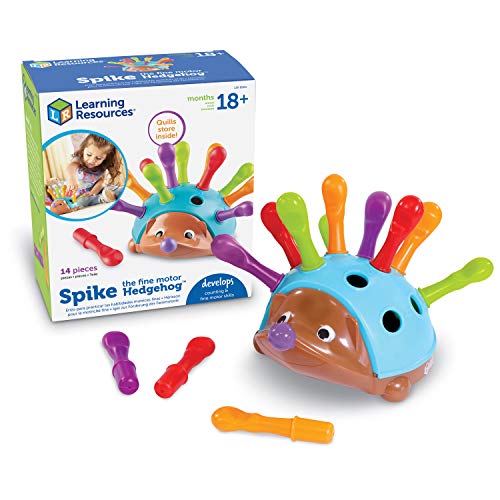
Spike The Fine Motor Hedgehog from Learning Resources is a Montessori-inspired toy designed to strengthen hand muscles and improve hand-eye coordination. Toddlers and preschoolers remove and place quills into the hedgehog’s back, promoting precision and fine motor control through repetitive, engaging actions. The toy grows with the child, transitioning from basic play to color sorting, counting, and pattern recognition for older children. The textured quills provide tactile stimulation that can aid focus and sensory processing during therapy-like play sessions.
This toy supports goal-oriented play that aligns with therapy objectives, offering a manageable challenge for kids with cerebral palsy while maintaining a playful and non-intimidating feel. It also helps develop pincer grip and dexterity as children manipulate small pieces, which is beneficial for activities such as writing preparation and self-care tasks.
ArtCreativity Light Up Transparent Sensory Car

This light-up, bump-and-go car is designed to captivate attention with color-changing LEDs, music, and turning gears. The transparent body reveals moving components that enhance visual tracking and cause-and-effect understanding. The car’s self-propelled movement and three-mode switch provide varied stimuli that can be used in therapy-inspired play to encourage motor planning, sequencing, and sustained attention. The toy’s durability and compact size support use in multiple settings, from therapy rooms to car rides.
Children with cerebral palsy can benefit from the car’s predictable responses to contact, promoting anticipatory skills and reaction time. The gears and lights foster curiosity about mechanical concepts, potentially supporting early STEM learning and sensory processing without overwhelming the child.
Colors & Shapes Sensory Pad
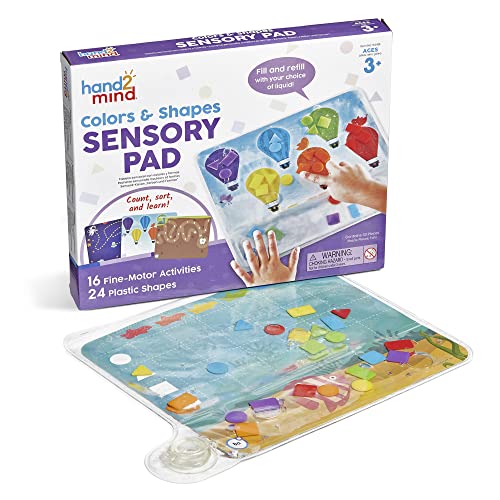
The Colors & Shapes Sensory Pad from hand2mind is a versatile tool for quiet, focused play and early math skills. Featuring 24 shapes in four shapes and six colors, children can practice sorting, counting, and matching while engaging in tactile exploration. The pad’s reusable liquid surface accommodates various sensory materials, such as liquid soap, oil, or gel, allowing caregivers to tailor the experience to the child’s sensory preferences. The back valve makes filling and draining straightforward, supporting independent setup during therapy sessions or home practice.
This toy supports calm, structured activity that can help regulate sensory input and reduce anxiety during learning tasks. It also strengthens fine motor control as children guide pieces through the shapes and cards, aligning with therapy goals for improving grip, finger dexterity, and hand-eye coordination.
Buying Guide: Key Purchase Considerations And Comparisons
Intended age range and developmental fit: Choose toys that align with the child’s current motor, cognitive, and sensory levels. For cerebral palsy, tools that build hand strength, coordination, and tactile feedback are often most beneficial.
Grip and accessibility: Look for items with easy-grip handles, larger buttons, and textured surfaces. Assistive devices (like the EazyHold cuffs) can enable participation across a broader set of activities and reduce frustration.
Sensory balance: Select a mix of visual, auditory, and tactile stimuli to support regulation and engagement without overstimulation. Adjustable features (volume, light, or mode changes) can help tailor play to the child’s needs.
Durability and safety: Opt for sturdy materials, rounded edges, and compliance with safety standards. Reusability and easy cleaning are important for toys used in daily routines and therapy plays.
Therapy alignment and goals: Consider how each toy supports specific therapy targets such as fine motor precision, hand-eye coordination, bilateral coordination, or sensory processing. Toys that scale with skill development provide longer-term value.
Caregiver involvement: Choose items that are easy to set up, use, and maintain. Toys with simple instructions help caregivers guide sessions and integrate play into daily routines.
Portability and adaptability: For travel or school settings, compact, lightweight toys with clear, programmable modes can maintain engagement across environments and reduce transitions fatigue.